Container Loading Optimization
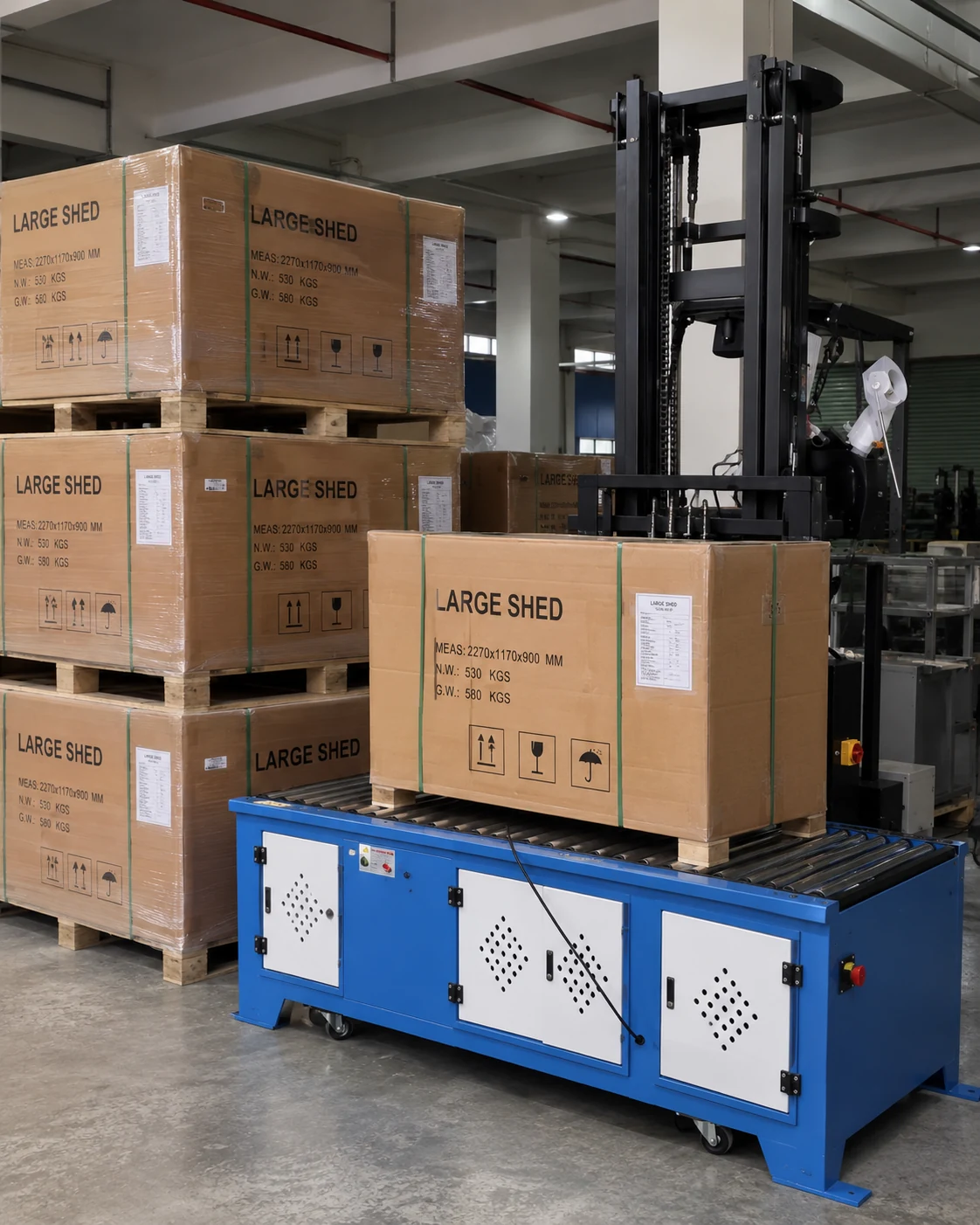
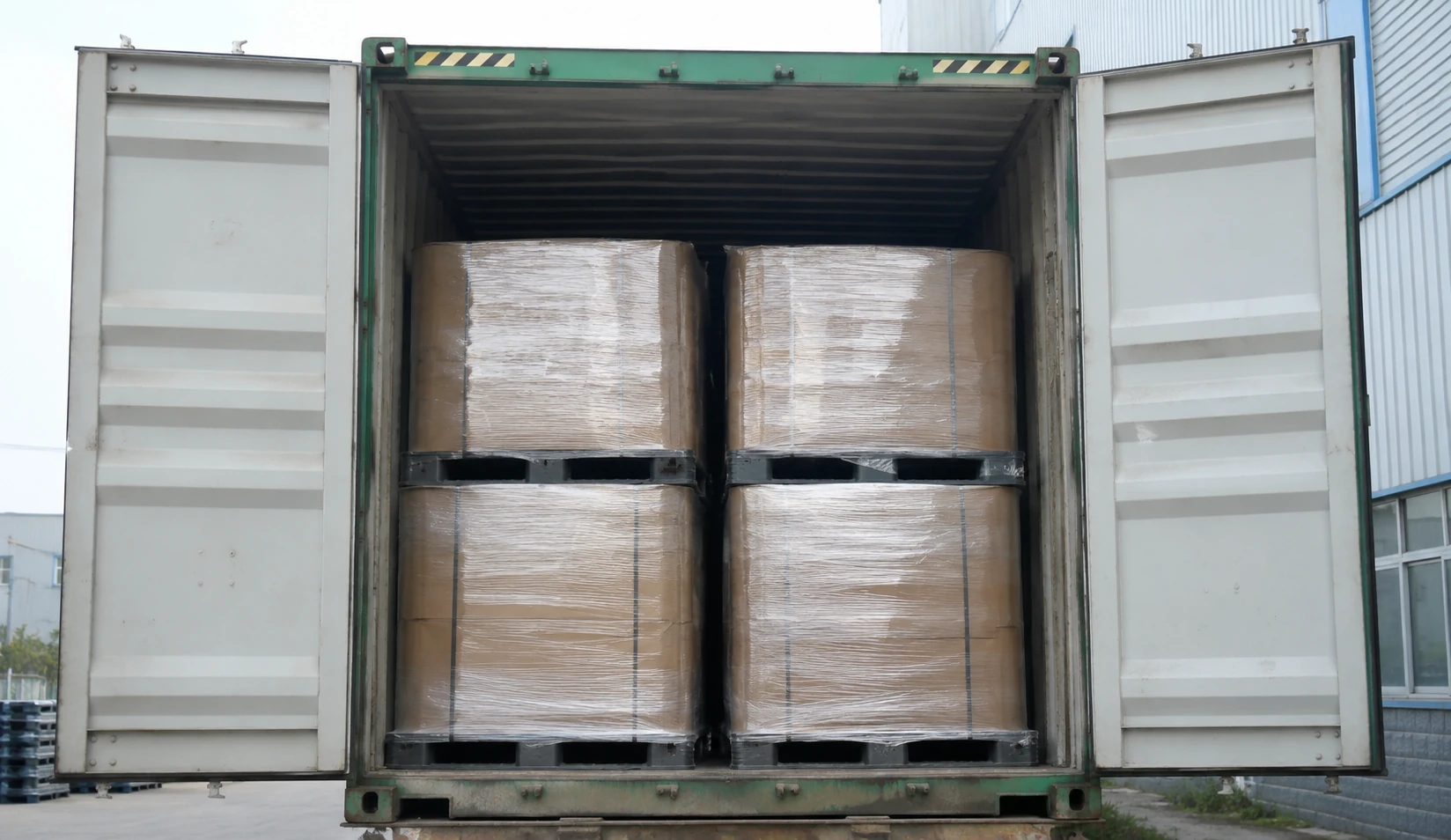
Packaging & Container LoadingAn outdoor structure is heavy and long with multi-component. The pack…
Read MoreWeather resistance isn’t a single test — it’s UV resistance, corrosion resistance, and structural load performance working together. A shed that holds up for ten years outdoors has to handle sun, moisture, temperature swings, wind, and snow load without the panels fading, the frame rusting, or the structure flexing under weight. This post looks at how that comes together across DiBiBi’s three material lines.
Weather resistance is evaluated as a combination of the individual test results already run on each material — UV weathering, salt spray corrosion testing, and structural load calculation — plus a structural review of the finished design against recognized wind and snow load provisions before it’s approved for production.
For resin panels, weather resistance mainly comes down to UV stability (addressed through the compounded stabilizer) and moisture resistance, since the extruded PP sheet doesn’t absorb water or expand and contract the way wood does. Dimensional stability across temperature swings is checked to confirm panels don’t warp or separate at panel joints over repeated seasonal cycles.
Metal panels and structural components combine UV-stable coating with galvanized corrosion protection, so weather resistance testing here checks both simultaneously — confirming that coating fade and corrosion protection hold up together over an extended exposure cycle, not just individually.
Aluminum’s weather resistance advantage is largely structural: it doesn’t rust, doesn’t need repainting to stay protected, and holds dimensional stability across temperature swings better than most coated materials. Testing focuses on finish durability and on structural performance under load, since the base material itself is already stable across normal outdoor conditions.
| Weather factor | Resin | Metal | Aluminum |
|---|---|---|---|
| UV / sun exposure | Compounded stabilizer | Coating fade resistance | Finish durability |
| Moisture / corrosion | Dimensional stability | Galvanized coating | Natural oxide layer |
| Wind / snow load | Structural design review | Structural design review | Structural design review |
Every DiBiBi design is evaluated for wind and snow load before approval, using the same structural risk classification (Risk Category I, for low-occupancy storage structures) that applies to sheds and similar structures under standard structural design provisions. Combined with material-specific UV and corrosion performance, that’s what “weather resistant” actually means on a DiBiBi spec sheet — not a single claim, but three separate engineering questions answered together.