

Garden storage for independent retailers, garden centres and regional groups — mixed pallets instead of single-SKU containers, quantities sized to a real shop floor, and display support that makes a shed sell from a forecourt.
Why Garden Centers Choose DiBiBi?
01
Order quantities sized for a shop floor, not a distribution centre.
Buying direct from a factory usually means buying more than you can sell, which is why most garden centres end up paying an importer’s margin. We offer mixed-pallet orders, with minimum quantities starting from 500 units per SKU, depending on the product type.This allows you to combine several models and price points in one order without committing to a full container of any single product.
02
Consolidation, so a small order still ships economically
Smaller orders are grouped into scheduled consolidated shipments on a monthly rhythm, and LCL and groupage are supported where a full pallet does not make sense. You get factory pricing on a quantity your cash flow can actually carry.
03
Products chosen to sell off a forecourt.
A shed on a garden center forecourt is sold by how it looks from eight meters away and how a member of staff can talk about it. Colour, texture and roof profile are developed in-house, so we can steer you toward the finishes that photograph and display well in your setting rather than the ones that simply ship cheaply.
04
Display units, signage and staff-facing product knowledge
Assembled display units can be supplied alongside your order, with the arrangement tailored to the product range and order volume. We can also provide point-of-sale materials, specification cards, dimension boards, and a concise product-knowledge guide for your sales team.
. A shed that a customer can walk into sells at a different rate to one in a flat carton.
05
Ordered around your season, not around our factory calendar.
Your buying decision happens months before your customer’s. We plan back from your opening weekend — production, sailing, arrival and a delivery slot you can plan your yard around — and hold a mid-season top-up window so a strong spring does not leave you with an empty display in June.
Retailer & Garden Center
Product Choice, Ordering and Support Built Around Real Stores
Case Study
Create a More Distinctive Garden Centre Assortment
An regional garden-center group
The challenge
The available range closely matched products sold by nearby competitors, leaving store teams to compete mainly on price. The group also needed a practical mix of compact storage, sheds and display products without over committing to one model.
DiBiBi solution
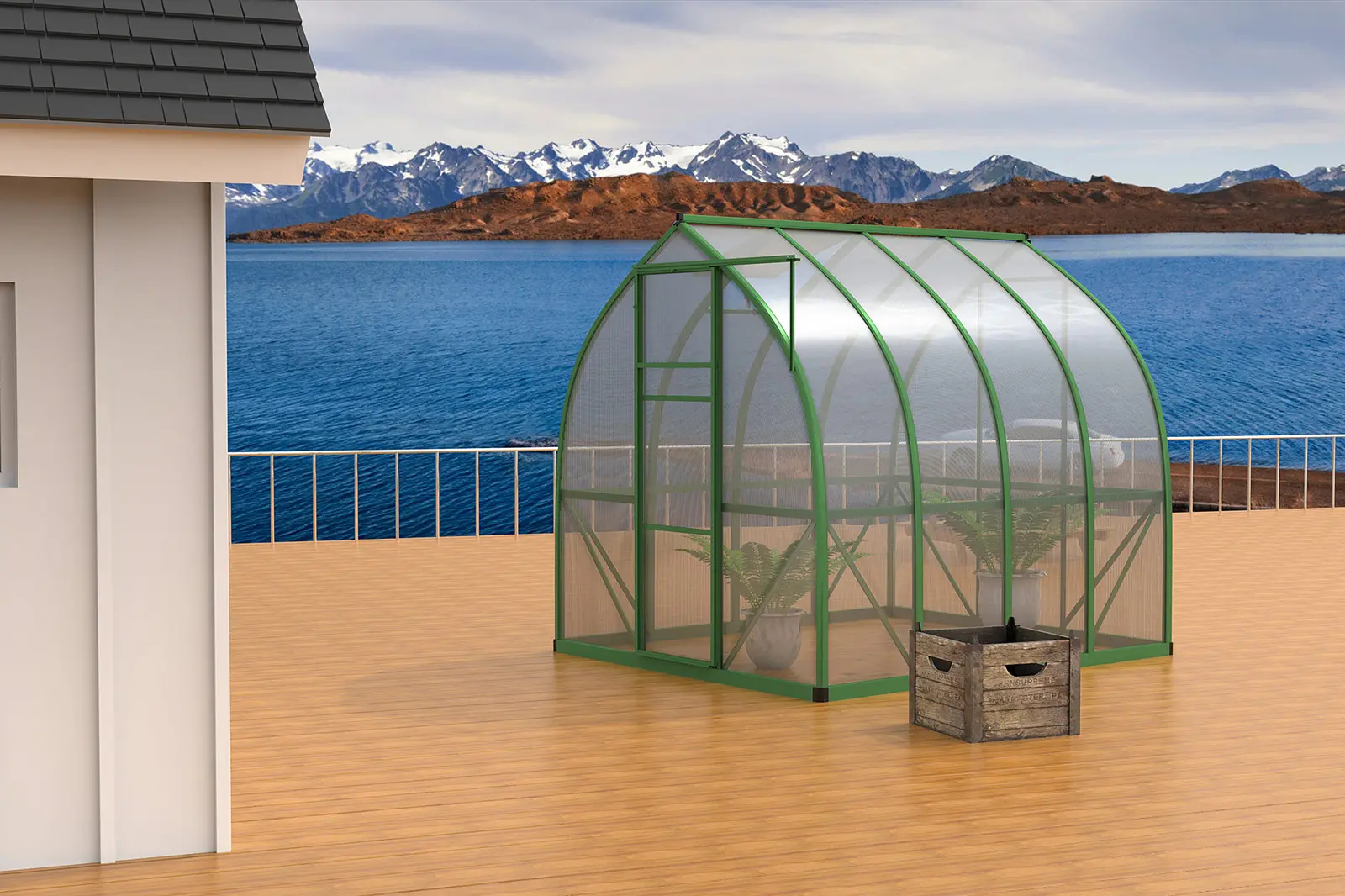
We reviewed the group’s store formats, forecourt space and customer price points. A coordinated assortment was proposed across compact resin storage, garden sheds and greenhouse products. Each SKU was given a defined role within the range, and product cards were structured around dimensions, capacity, construction and customer use. Display options and a mixed-SKU loading plan were assessed against the confirmed order quantities.
The result
The group received a clearer category structure, more distinctive product choices and better information for store staff. The approved assortment also created a repeatable base for analysing sales and adjusting the following season’s range.

Integrated Manufacturing Behind Every Specification
Manufacturing Base
Scale in One Place
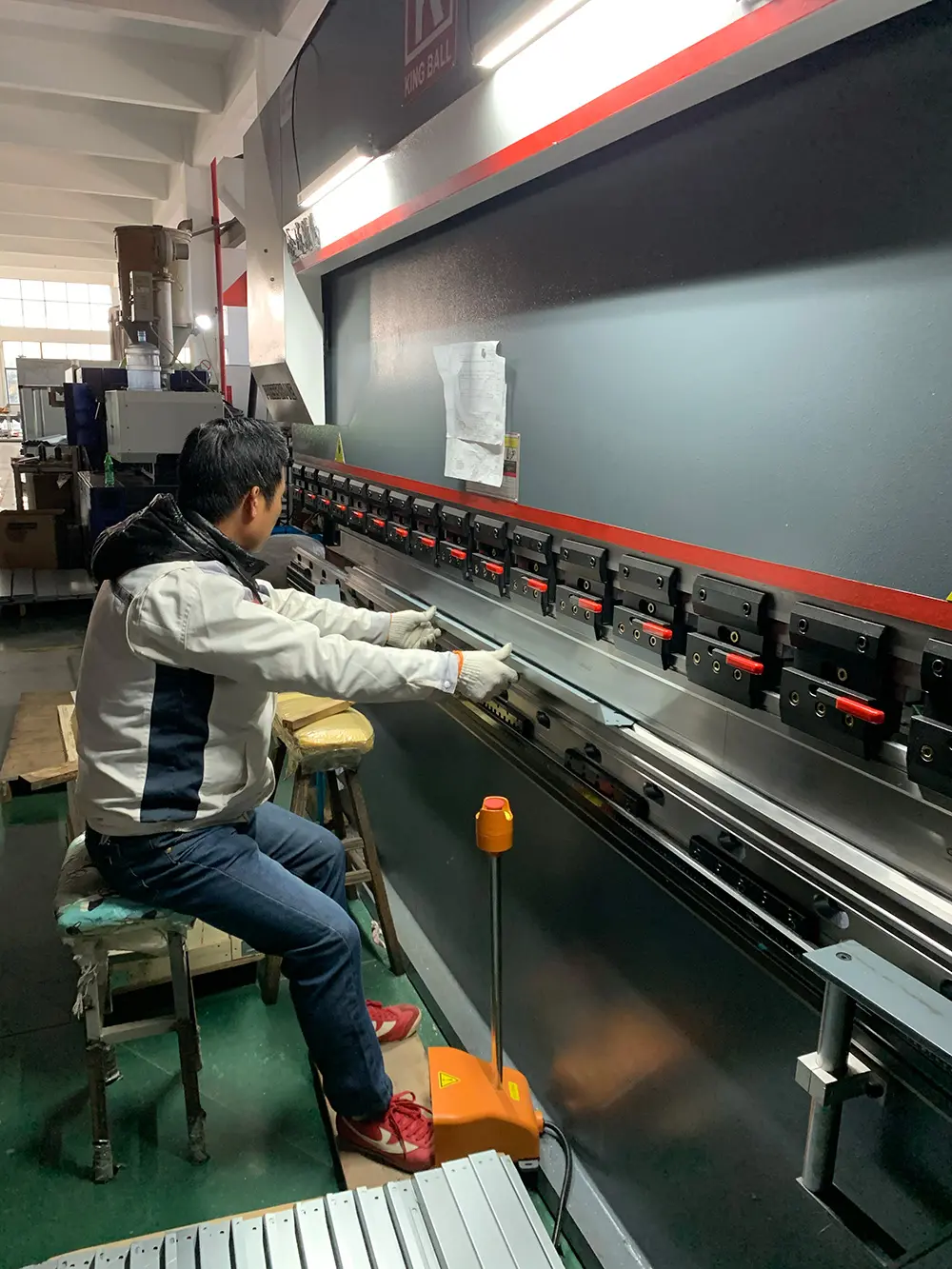
100,000 m² in Zhejiang, with engineering, tooling, production and quality all on one site. Built around garden sheds and outdoor storage rather than adapted from general plastics work.
In-House Capability
One Connected
Product engineering, moulding, metal fabrication, coating, assembly and packaging run inside the same system, so a specification moves through one process instead of several suppliers.
Specification
Quality Control
A revised dimension, door configuration, panel profile or packaging format is assessed by every team at once. Fewer handovers, clearer technical communication, faster answers.
Consistent Across Runs
Repeat Production
The result is a controlled path from approved drawing to repeat production, holding consistency, lead time and repeatability to the same standard order after order.
Product Platforms for OEM Development
OEM programmes can begin with an established DBB manufacturing platform or with a customer-owned design requiring dedicated engineering and tooling.
From Store Brief to Seasonal Delivery
- Store and customer review
- Assortment proposal
- Product and display review
- Order and shipment planning
- Manufacturing and quality control
- Reorder and next-season review