

We help established brands and retailers create differentiated garden sheds and outdoor storage products using proven manufacturing platforms, market-specific customisation and complete branded presentation.
How a Private Label Range Becomes Distinctive
01
Differentiation is planned around what customers notice.
Depending on the selected platform, options may include colour, surface texture, panel profile, roof form, doors, handles, hardware finish, ventilation, glazing and product features. DBB separates simple specification choices from changes requiring physical sampling, tooling modification or new tooling.
02
Proven platforms provide a controlled starting point.
An established structure can reduce development time and tooling exposure compared with a completely new OEM product. The platform is selected against the target market, price point, required features and desired level of visual differentiation.
03
The complete brand presentation is developed together.
Customer-approved identity can extend to the product, cartons, labels, manuals, warranty materials and available marketing content. Artwork approval and version control are managed as part of the production specification so the product and its brand materials remain aligned.
04
Confidentiality and ownership are documented.
Customer-supplied brand assets and designs are used only for the approved programme. Confidentiality, artwork ownership, tooling use and permission to display products in DBB marketing should be agreed before development begins.
05
Exclusivity must be precise and commercially sustainable.
Where offered, exclusivity may apply to a specific product, feature, appearance or territory for an agreed term. Scope, minimum volumes, forecast obligations, review dates, renewal and termination conditions are recorded in a separate written agreement. Exclusivity is never implied by packaging alone.
Discuss Your Private Label Range
For businesses that want an owned range without beginning every product from a clean sheet.
Case Study
Entering Outdoor Storage with a Distinct Private Label Range
An European home-and-garden brand
The challenge
The brand wanted to enter outdoor storage with products that reflected its own visual identity. A clean-sheet development programme would have required greater tooling investment and a longer validation process, while simply applying a new logo to a standard product would not create enough market differentiation.
DiBiBi solution
DiBiBi reviewed the brand’s target customer, price architecture and design guidelines, then selected established product platforms for the structural foundation. A coordinated differentiation plan covered colour, surface treatment, doors, handles, packaging and manuals. Physical references and complete branded samples were approved before production. Confidentiality, artwork use and the scope of any market protection were recorded separately.
The result
The partner obtained a visually coordinated range built on established manufacturing platforms, with product, packaging and customer documentation ready under one approval system. The platform approach also created a practical route for adding new sizes and related storage products in future seasons.

Integrated Manufacturing Behind Every Specification
Manufacturing Base
Scale in One Place
100,000 m² in Zhejiang, with engineering, tooling, production and quality all on one site. Built around garden sheds and outdoor storage rather than adapted from general plastics work.
In-House Capability
One Connected
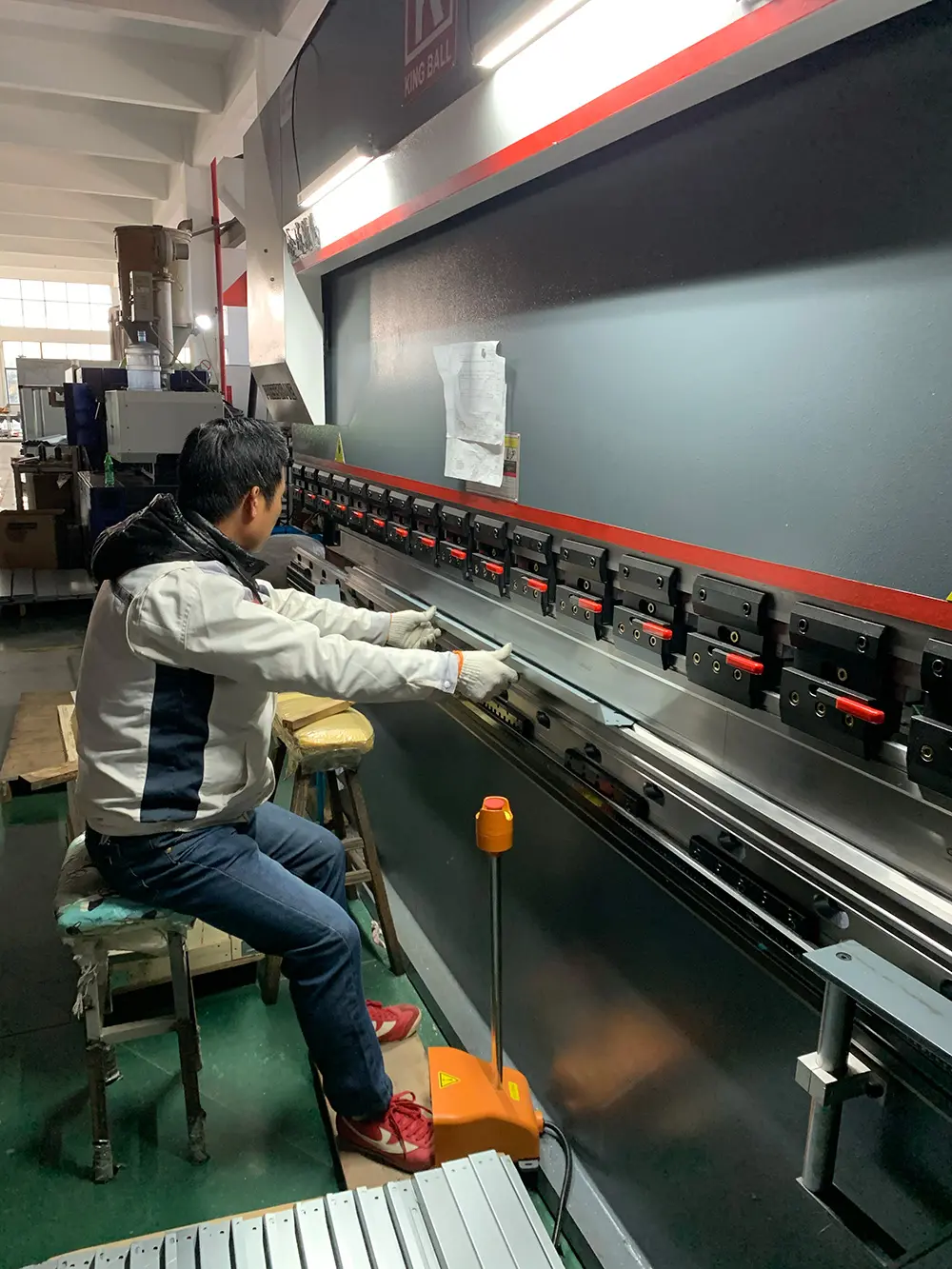
Product engineering, moulding, metal fabrication, coating, assembly and packaging run inside the same system, so a specification moves through one process instead of several suppliers.
Specification
Quality Control
A revised dimension, door configuration, panel profile or packaging format is assessed by every team at once. Fewer handovers, clearer technical communication, faster answers.
Consistent Across Runs
Repeat Production
The result is a controlled path from approved drawing to repeat production, holding consistency, lead time and repeatability to the same standard order after order.
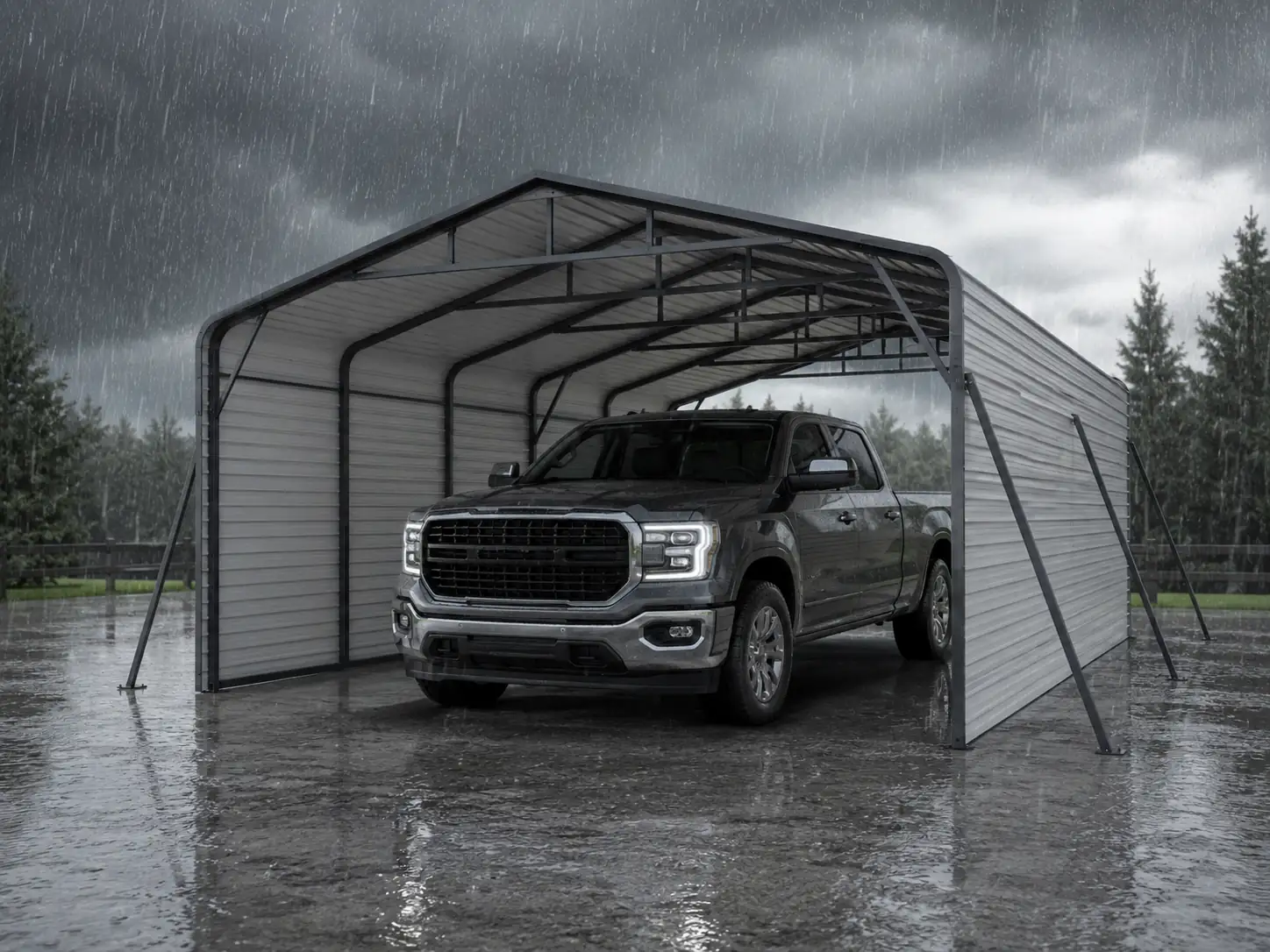
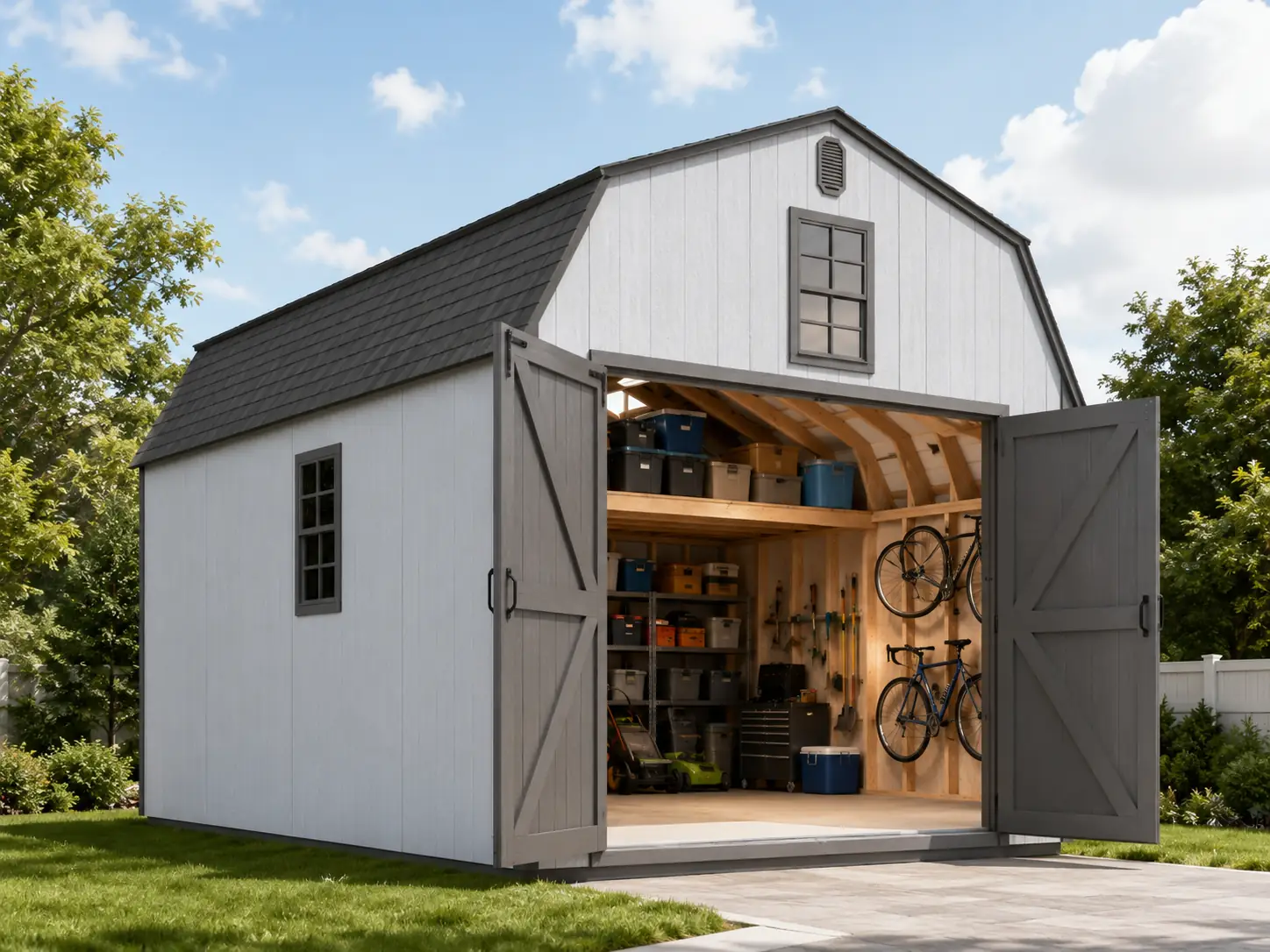
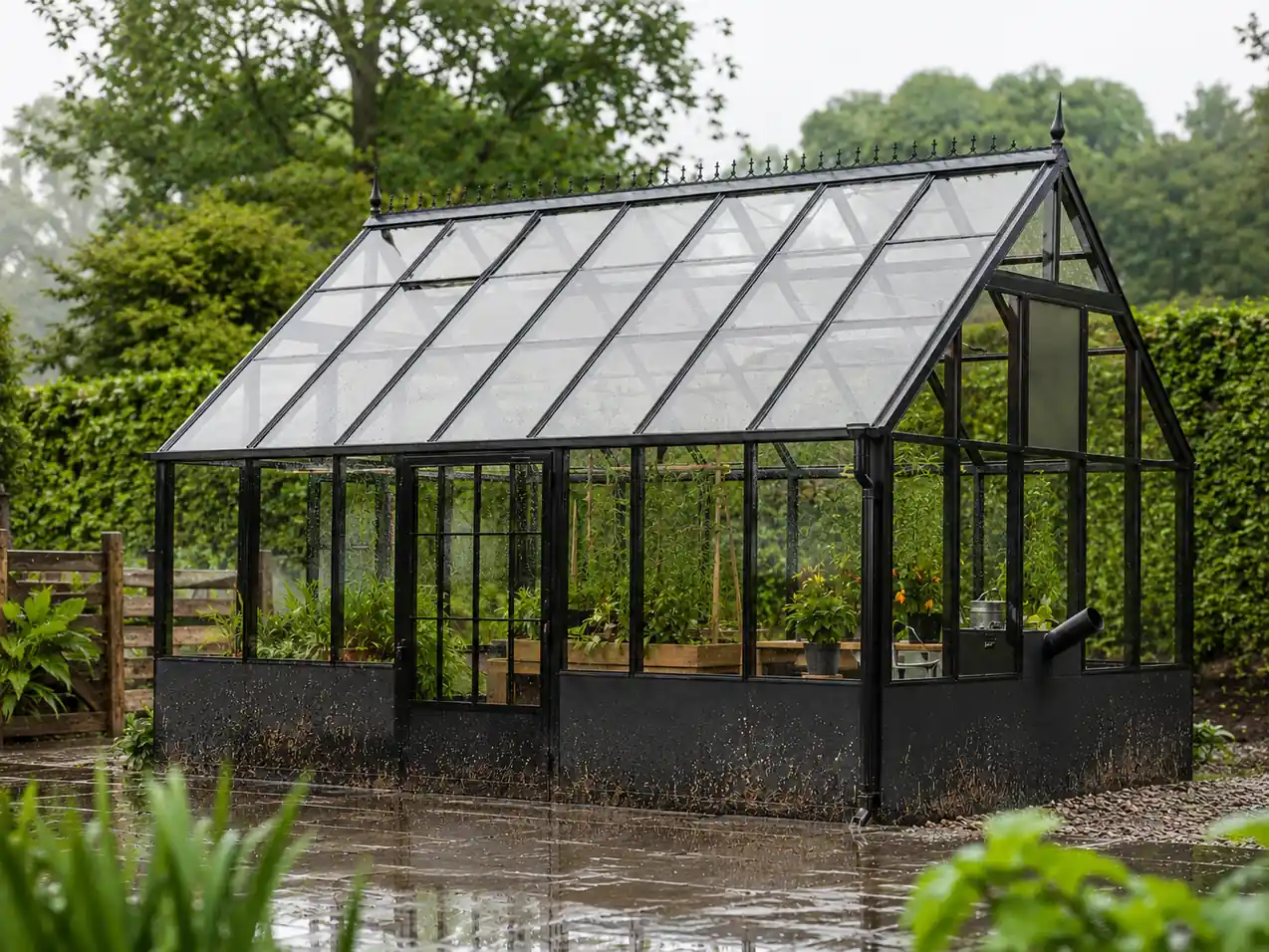
Product Platforms for Private Label Brands
Private Label Process
- Brand, customer and market brief
- Platform and differentiation plan
- Commercial and exclusivity review
- Samples and branded artwork
- Production and quality control
- Launch and range extension