Container Loading Optimization
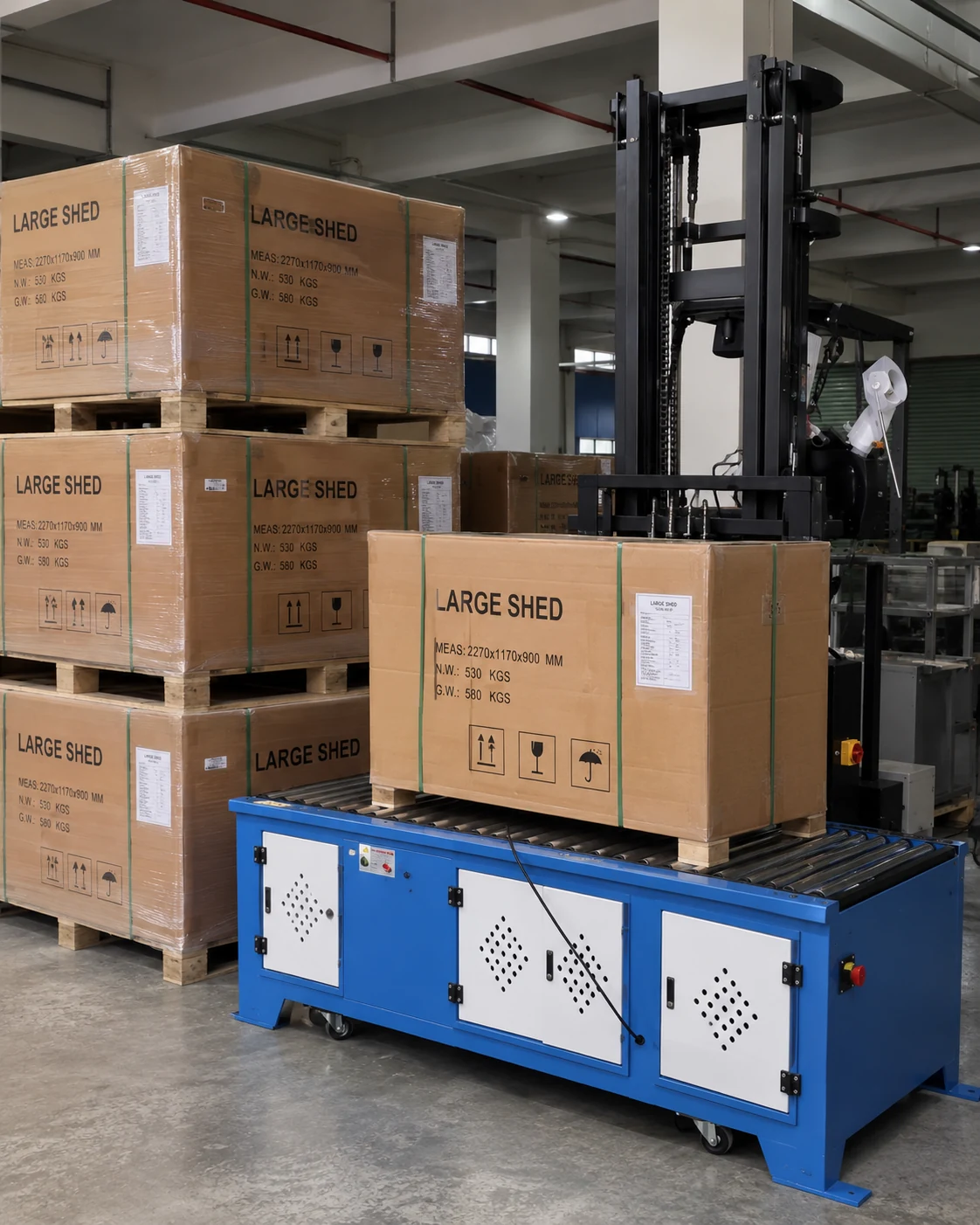
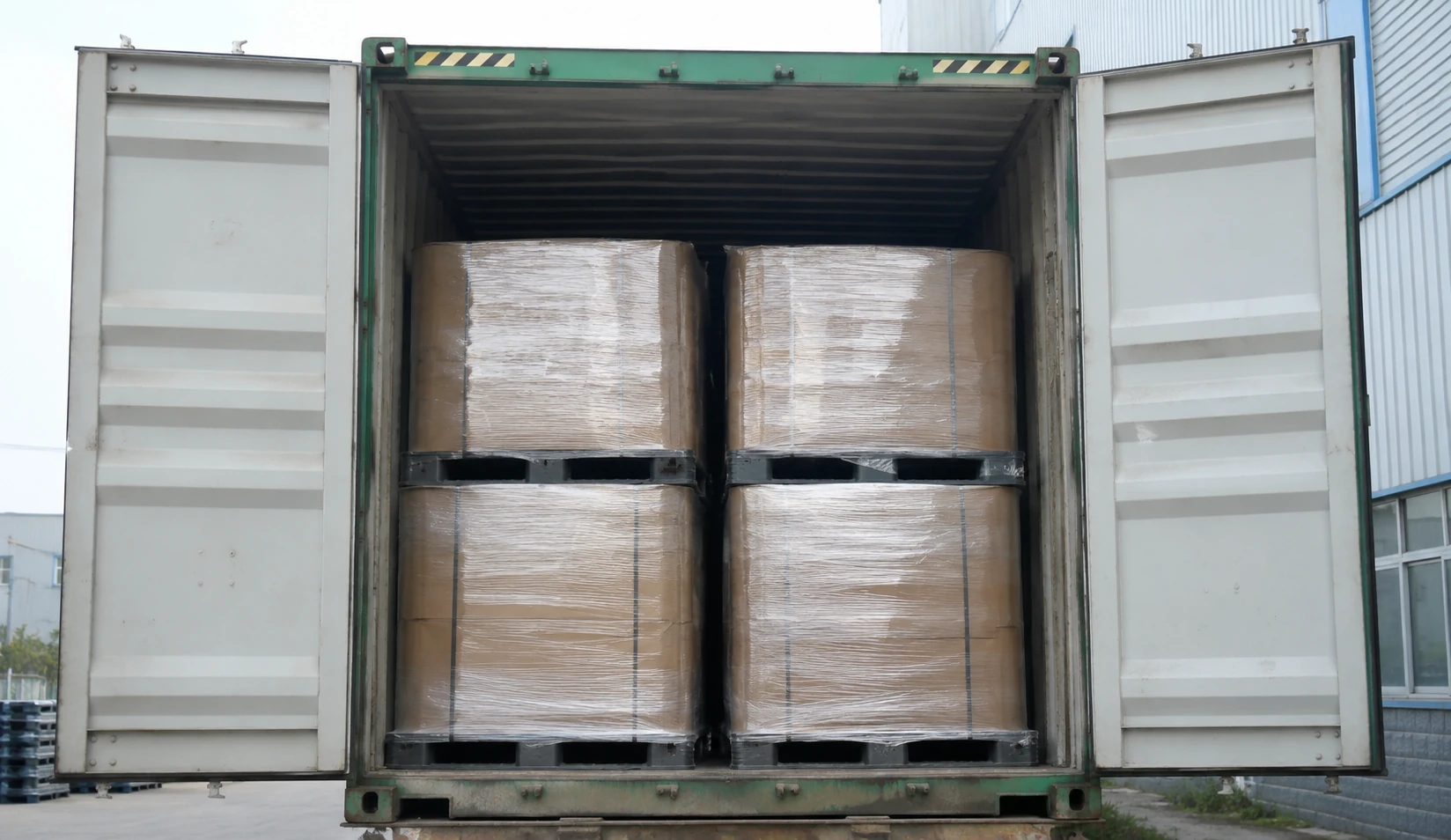
Packaging & Container LoadingAn outdoor structure is heavy and long with multi-component. The pack…
Read MoreCorrosion is the primary long-term durability concern for the metal side of DiBiBi’s product line, and a secondary consideration for aluminum. Resin doesn’t corrode, so it sits outside this discussion entirely — but for metal and aluminum components shipped into varied climates, corrosion resistance is one of the most important specs a distributor evaluates before placing a bulk order.
Coated metal samples are exposed to salt spray (fog) testing, which accelerates corrosion in a controlled chamber to reveal in weeks what would otherwise take years to show up in the field. Samples are checked for rust formation, pitting, and coating degradation at set intervals through the exposure cycle. A coating spec only clears for production once it holds up through the full test duration.
Resin panels aren’t subject to corrosion testing, since PP resin doesn’t rust or oxidize. The comparable durability concern for resin is moisture resistance and dimensional stability, which is addressed separately in material testing rather than as a corrosion question.
DiBiBi’s structural components and internal stiffeners are galvanized, and the color steel panel itself is engineered to resist rust and moisture damage over long-term outdoor use. Coating performance is verified with salt spray testing, sometimes supplemented with wet-dry cycle testing that more closely mirrors real outdoor conditions than a constant fog exposure does. Structural galvanized components intended for outdoor use are commonly tested to several thousand hours of salt spray exposure as an industry benchmark.
Aluminum forms its own protective oxide layer naturally, which gives it strong baseline corrosion resistance without depending on a coating step. For aluminum components like carport and frame lines, corrosion resistance is largely built into the material itself — testing here focuses more on the painted or anodized finish where one is applied, rather than the base metal.
| Material | Test method | What’s measured | Reference |
|---|---|---|---|
| Metal (galvanized) | Salt spray / fog testing | Rust onset, coating failure at scribe lines | Standard salt spray practice; wet-dry cycling for realism |
| Aluminum | Finish adhesion + limited salt exposure | Coating/anodizing durability (base metal is corrosion-resistant) | — |
| Resin | Not applicable | Moisture resistance handled under material testing | — |
Corrosion resistance means something different for each material in the lineup. For galvanized steel, it’s a coating question verified through salt spray testing. For aluminum, it’s mostly a material property that’s already built in. Being clear about which material needs which kind of protection — rather than treating “corrosion resistance” as one blanket claim — is what actually holds up under a distributor’s own quality review.