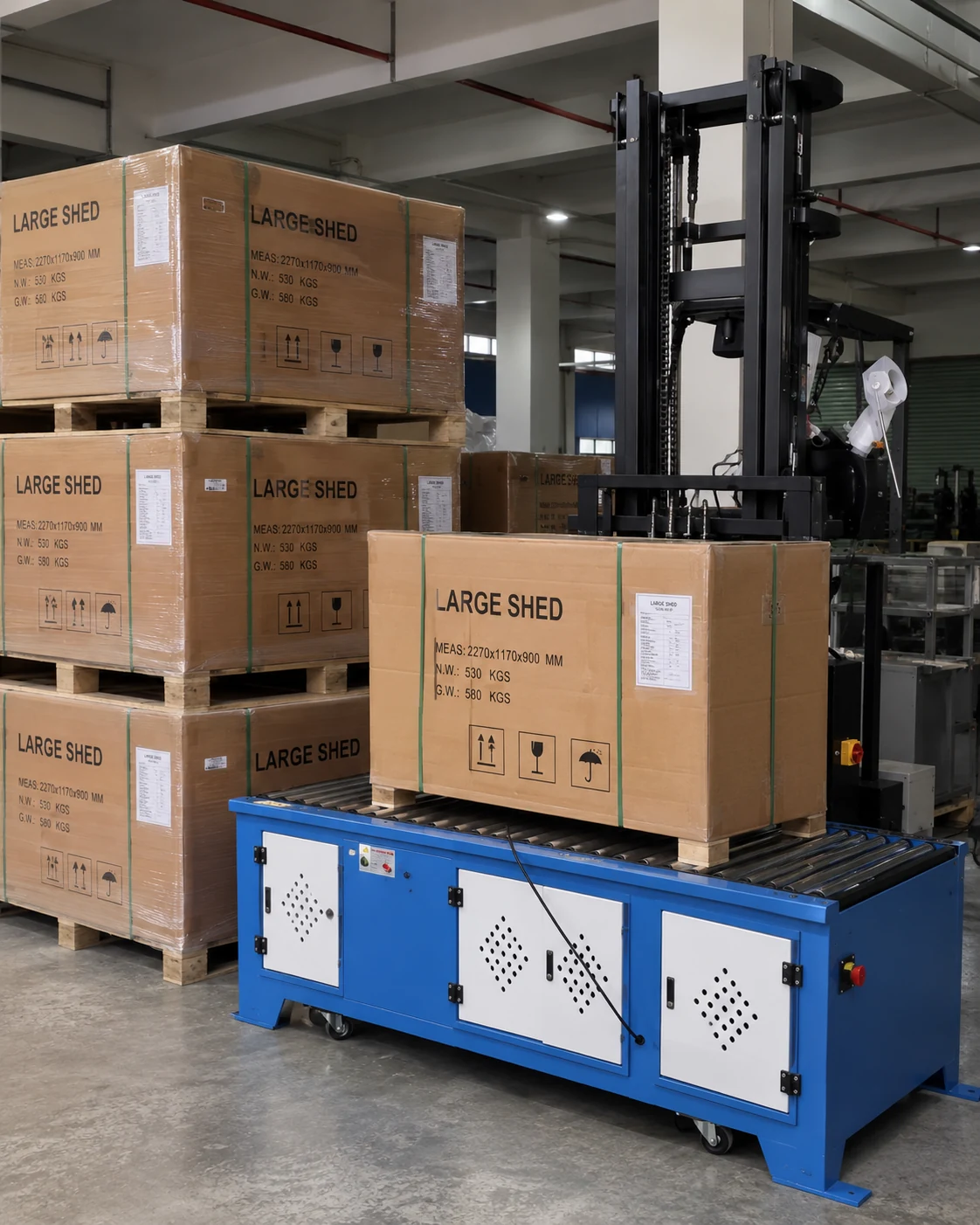
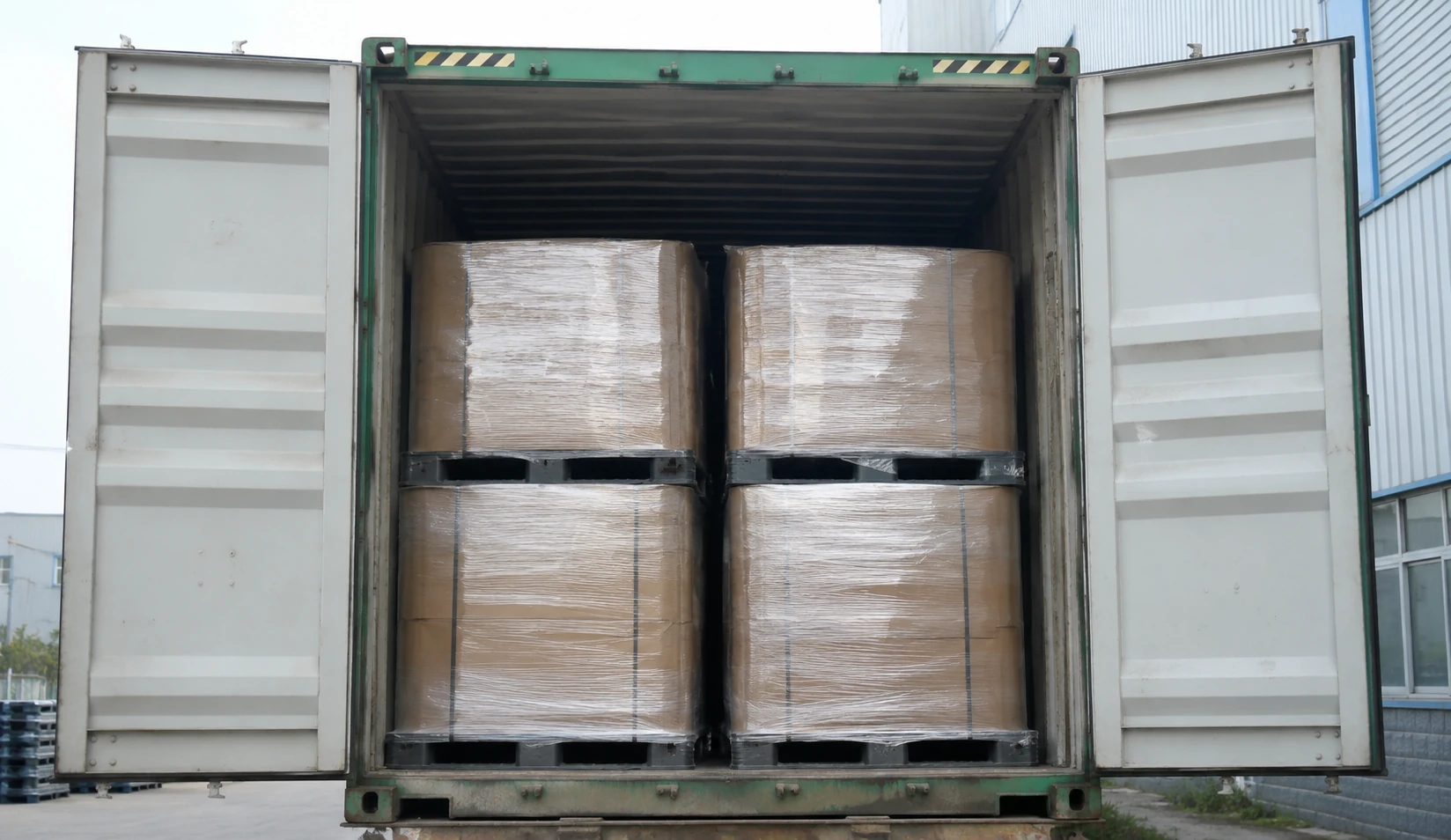
Container Loading Optimization
Packaging & Container LoadingAn outdoor structure is heavy and long with multi-component. The pack…
Read MoreBefore a design goes into production, someone has to build it start to finish using only the included hardware and instructions — the same way an end customer would. That’s assembly testing, and it catches problems no amount of individual part inspection will find: parts that don’t align, hardware counts that come up short, or instructions that make sense on paper but not in practice.
A production-representative unit is packed, shipped, and assembled exactly as an end customer would receive it — not an early prototype or hand-fitted sample.
Before the instructions are finalized, the assembly is run more than once, in different part orders, to find the sequence that’s actually fastest and least error-prone for a customer to follow — not just the order that happens to make sense to whoever built the prototype first. Each candidate sequence is timed and checked for points of confusion, and the winning sequence becomes the documented steps in the instruction PDF.
Every part used in that sequence gets a part code (matching the numbering used in the instruction PDF), so each step of the write-up references an unambiguous, labeled part rather than a description like “the long panel.” This is what lets a support ticket about “missing part in step 6” map directly back to a SKU instead of a guess.
| Recorded item | Purpose |
|---|---|
| Part code | Ties each physical part to its instruction-PDF step and SKU |
| Quantity used per assembly | Confirms hardware/part counts match the packing list — catches shortages before volume production |
| Structural stability after assembly | Confirms the completed structure meets its rigidity/stability target regardless of which sequence was used to get there |
| Part dimensions (as-produced) | Builds a dimensional reference from actual production parts, not design drawings — used to catch tolerance drift and to inform the next design revision |
Resin panel assembly is tested primarily for panel-to-panel fit and fastener alignment — since a panel that’s slightly out of tolerance can bind or gap at the joint during assembly, which shows up as a customer complaint about “parts that don’t fit” even when every panel individually meets spec.
Metal panel and frame assembly is tested for hole alignment between pre-punched panels and frame components, along with fastener torque and fit. Misaligned pre-punched holes are one of the more common root causes of assembly complaints on metal structures, so this is checked specifically rather than assumed from individual part inspection.
Aluminum frame assembly, particularly on carport and frame-based products, is tested for joint fit and structural rigidity once assembled — confirming that the frame reaches its designed stability without requiring force-fitting or improvised adjustment during assembly.
| Material | Assembly focus | Common failure point | What’s verified | Part code tracked | Dimensions recorded |
|---|---|---|---|---|---|
| Resin | Panel-to-panel fit | Panel binding/gapping at joints | Consistent panel tolerance across a run | Yes | Panel L/W/thickness, joint tab dimensions |
| Metal | Pre-punched hole alignment, fastener fit | Misaligned holes between components | Hole alignment across panel and frame parts | Yes | Hole pitch/diameter, panel/frame length |
| Aluminum | Frame joint fit, rigidity | Frame instability if force-fitted | Structural rigidity without adjustment | Yes | Frame member length, joint bore diameter |
Assembly testing is run against the actual production version of the product, not a prototype — because what gets tested is what actually ships. A shed that takes hours longer to assemble than expected, or generates support tickets over a confusing step, costs everyone downstream time and credibility. Catching that before volume production is the point.