Container Loading Optimization
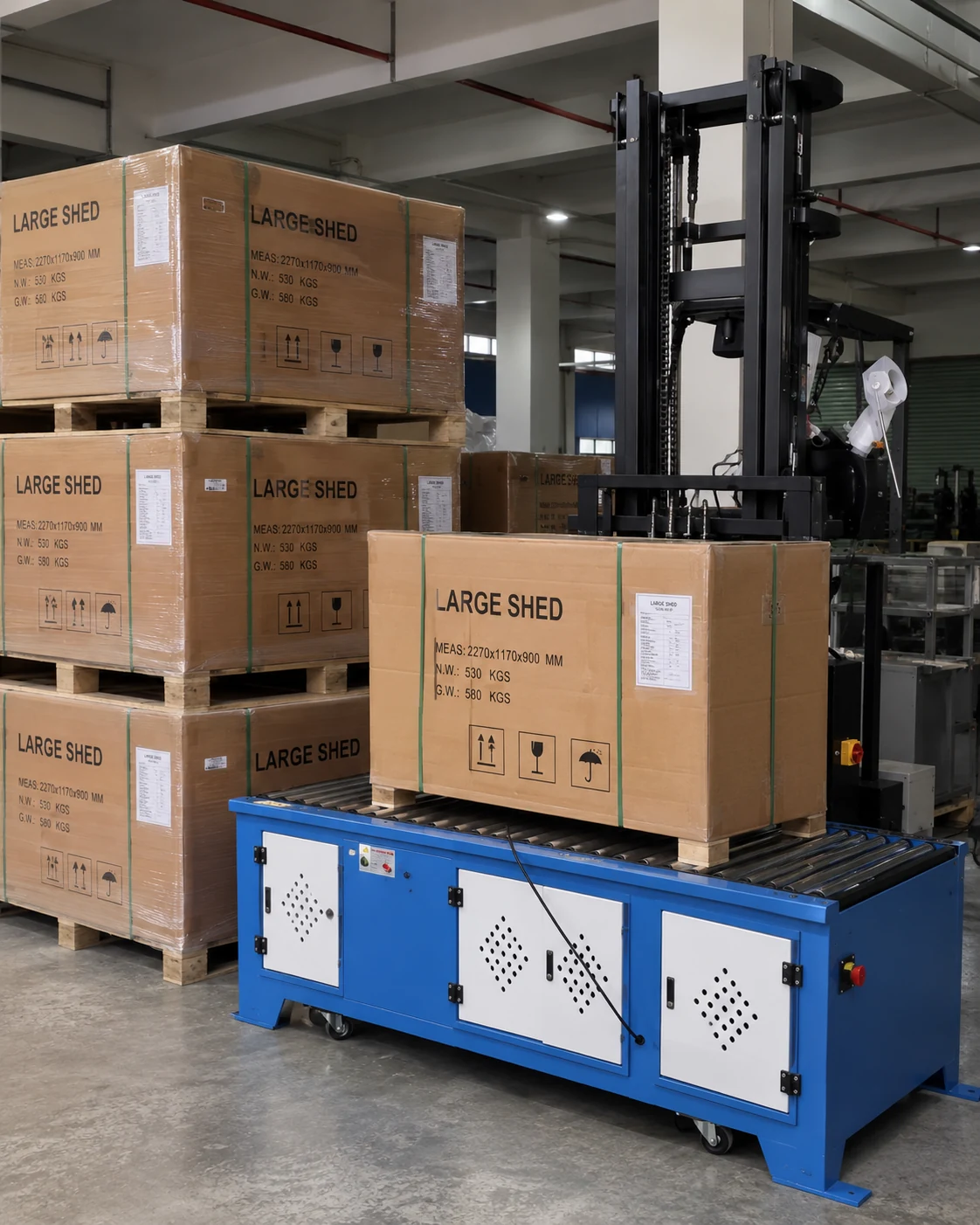
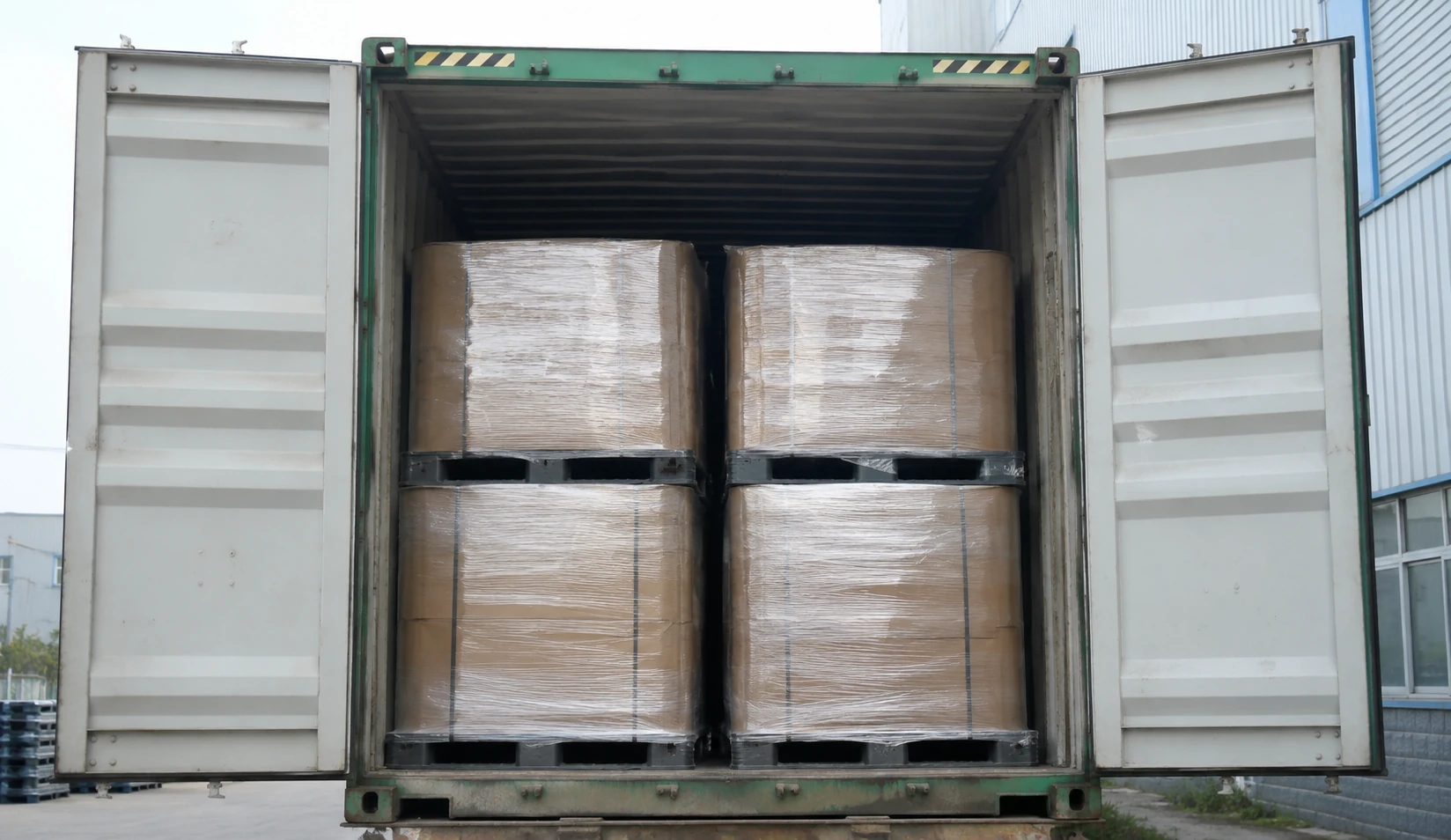
Packaging & Container LoadingAn outdoor structure is heavy and long with multi-component. The pack…
Read MoreDiBiBi ships large, flat-pack outdoor structures out of an ISO-certified manufacturing facility, and most of the damage that shows up on a finished product doesn’t happen on the production line — it happens in transit, between the factory, the container, the distribution center, and the customer’s driveway. Packaging drop testing catches that failure mode before a design goes into full production, not after a distributor starts filing damage claims.
Before a new packaging design is approved, sample units are packed exactly as they’ll ship and tested against a fixed sequence of flat, edge, and corner drops. Corner drops matter most — the corner where a box’s manufacturing joint sits is consistently the weakest point in any carton. Drop height is set relative to package weight, following the same logic used across the packaging industry for palletized and container freight: heavier packages are tested at lower drop heights, lighter ones at higher heights, since lighter packages tend to get handled more carelessly in real distribution.
Resin panels are the most impact-sensitive component in the lineup — a hard corner or edge strike can chip or crack a panel even when the box looks undamaged. Testing focuses on corner protection: foam or corrugate corner guards, panel-to-panel separation inside the carton, and enough internal clearance that panels don’t transmit shock directly to each other during a drop.
Metal components are heavier and more rigid, so the failure mode shifts from cracking to deformation — bent edges, dented surfaces, or coating damage at points of impact. Packaging is tested for crush resistance under corner and edge drops, and fastener bags are checked separately, since loose hardware shifting during a drop is a common source of missing-parts claims that have nothing to do with parts count at the factory.
Aluminum components are lighter but more prone to visible surface scratching from repeated handling. Packaging here is tested less for impact strength and more for abrasion protection — confirming components don’t shift and rub against each other or the carton wall through multiple handling cycles before final assembly.
| Component type | Primary failure mode | Test focus | Drop orientations |
|---|---|---|---|
| Resin panels | Cracking, chipping | Corner protection, panel separation | Corner, edge, flat |
| Metal panels/frame | Denting, deformation | Crush resistance at edges/corners | Corner, edge |
| Aluminum frame/carport | Surface scratching | Abrasion resistance, internal shift | Edge, flat |
| Hardware/fastener bags | Loosening, loss | Containment under shock | Flat, edge |
Packaging drop testing doesn’t change what the product is — it changes what condition the product is in when it arrives. For a distributor or retailer stocking large-format outdoor storage, that’s the difference between a shipment that goes straight to the sales floor and one that generates return authorizations before it ever reaches a customer.