

DiBiBi manufactures garden sheds and outdoor storage products to customer drawings and technical requirements. From engineering review and tooling to production, testing and packaging, each stage is managed through an integrated manufacturing system in Zhejiang, China.
Built to Your Specification. Engineered for Long-Term Supply.
Why Product Companies Choose DBB for OEM Manufacturing?
01
Integrated development shortens the route from drawing to sample.
Engineering, tooling, trial production and sample inspection are coordinated within the same organisation — fewer supplier handovers, controlled technical information and revisions assessed directly by the production teams.
02
Products are reviewed for manufacturability and outdoor performance.
Panels, roof spans, hinges, doors, fasteners and connection points are evaluated for stability, weather exposure and repeatable production. We explain specification options and their effect on tooling, cost and lead time before production.
03
Tooling and production are planned for repeat orders.
Tooling management, material sourcing, scheduling and quality requirements sit under a single programme plan. Approved specifications and inspection criteria are retained to support repeat production and future range extensions.
04
Large-scale capacity supports planned seasonal supply.
An integrated manufacturing base of approximately 100,000 m² in Zhejiang. Capacity is scheduled around confirmed programmes and seasonal delivery, helping customers secure defined manufacturing windows.
05
Packaging is developed as part of the product.
Carton structures, internal protection, component organisation, labelling and pallet or container configurations are developed alongside the product — to protect goods, simplify handling and make installation clearer.
OEM Engineering in Practice
Every project begins with the customer’s commercial and technical objectives. DiBiBi can review an existing product, adapt a proven platform to a new market, or develop a new product from an approved brief.
Case Study
Resin Shed Door-System Redesign
A European outdoor-products brand supplying two national retail chains.
The challenge
A 30% field failure rate on the door-hinge assembly after the second winter. Warranty claims rising and a major retail listing at risk. The replacement had to keep the existing external footprint — packaging, planogram and photography were already confirmed.
DiBiBi solution
Redesigned the hinge-to-frame interface while preserving external dimensions, reinforced the panel at the principal load point, modified tooling in-house within two weeks, then completed first-article, cycle, fit and environmental testing before approval.
The result
Door-assembly field failure fell from 30% to 6%. Unchanged footprint let the partner retain packaging, photography and planogram — entering production without delaying the planned launch.

Integrated Manufacturing Behind Every Specification
Manufacturing Base
Scale in One Place
100,000 m² in Zhejiang, with engineering, tooling, production and quality all on one site. Built around garden sheds and outdoor storage rather than adapted from general plastics work.
In-House Capability
One Connected
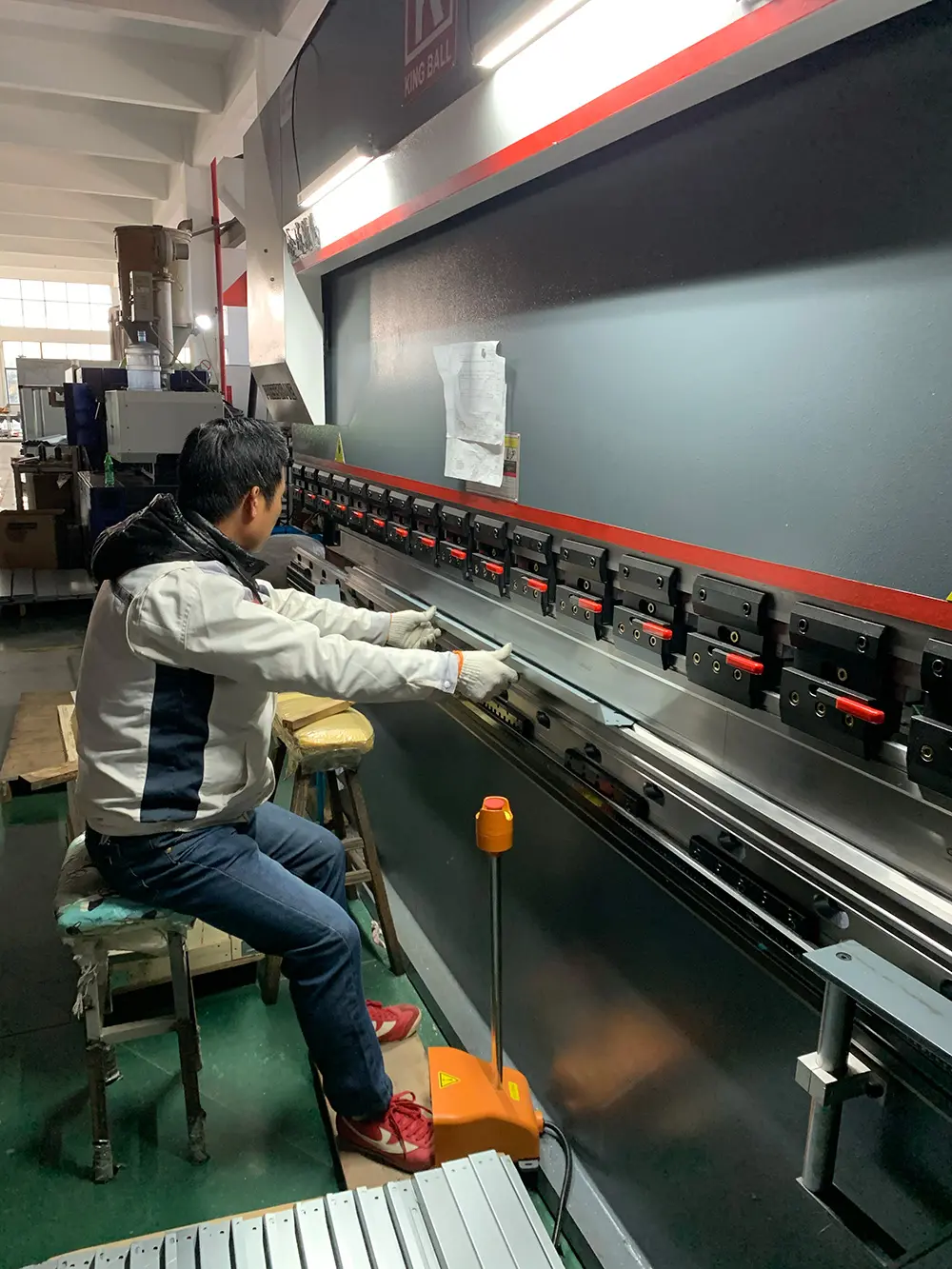
Product engineering, moulding, metal fabrication, coating, assembly and packaging run inside the same system, so a specification moves through one process instead of several suppliers.
Specification
Quality Control
A revised dimension, door configuration, panel profile or packaging format is assessed by every team at once. Fewer handovers, clearer technical communication, faster answers.
Consistent Across Runs
Repeat Production
The result is a controlled path from approved drawing to repeat production, holding consistency, lead time and repeatability to the same standard order after order.
Product Platforms for OEM Development
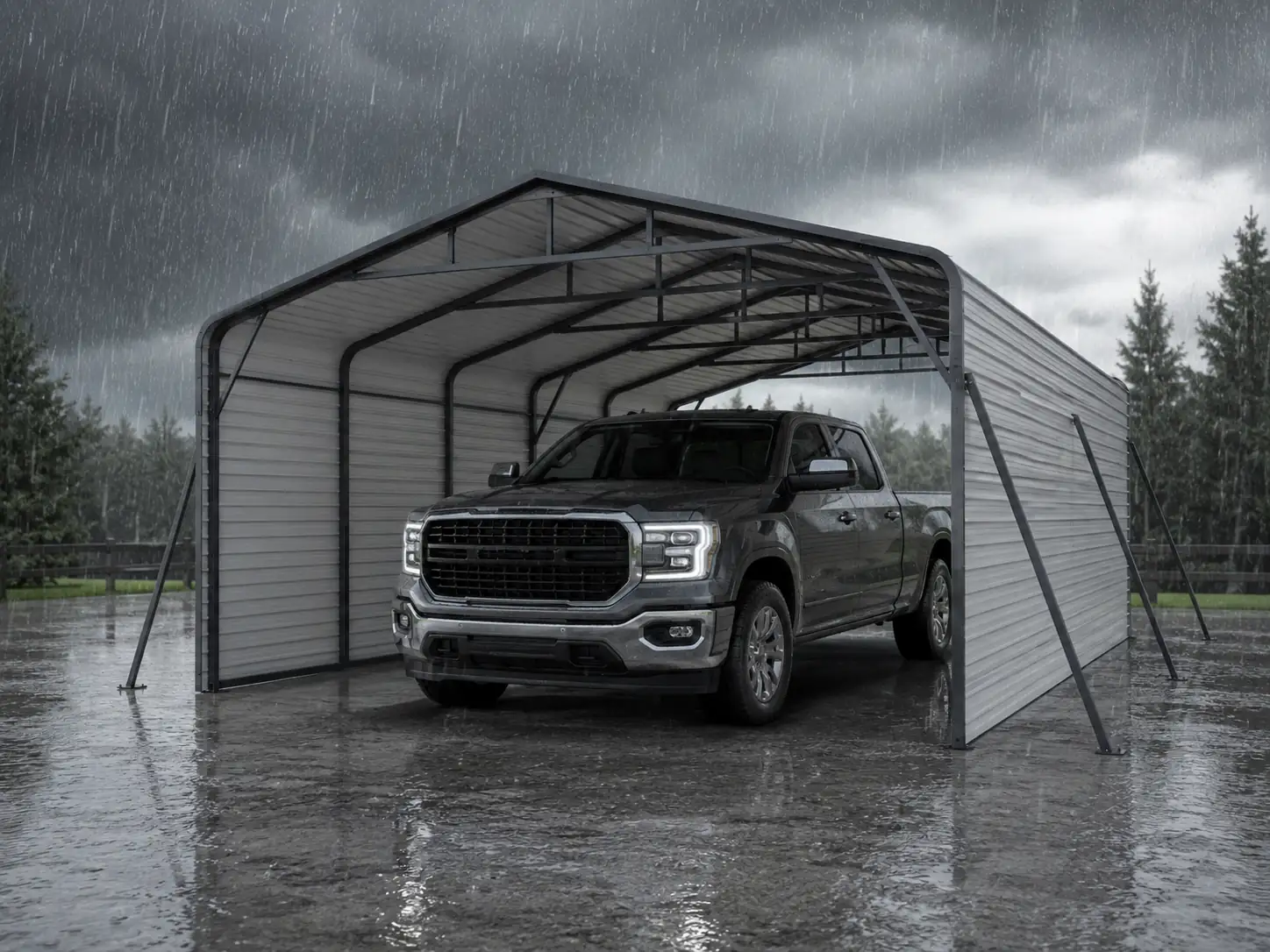
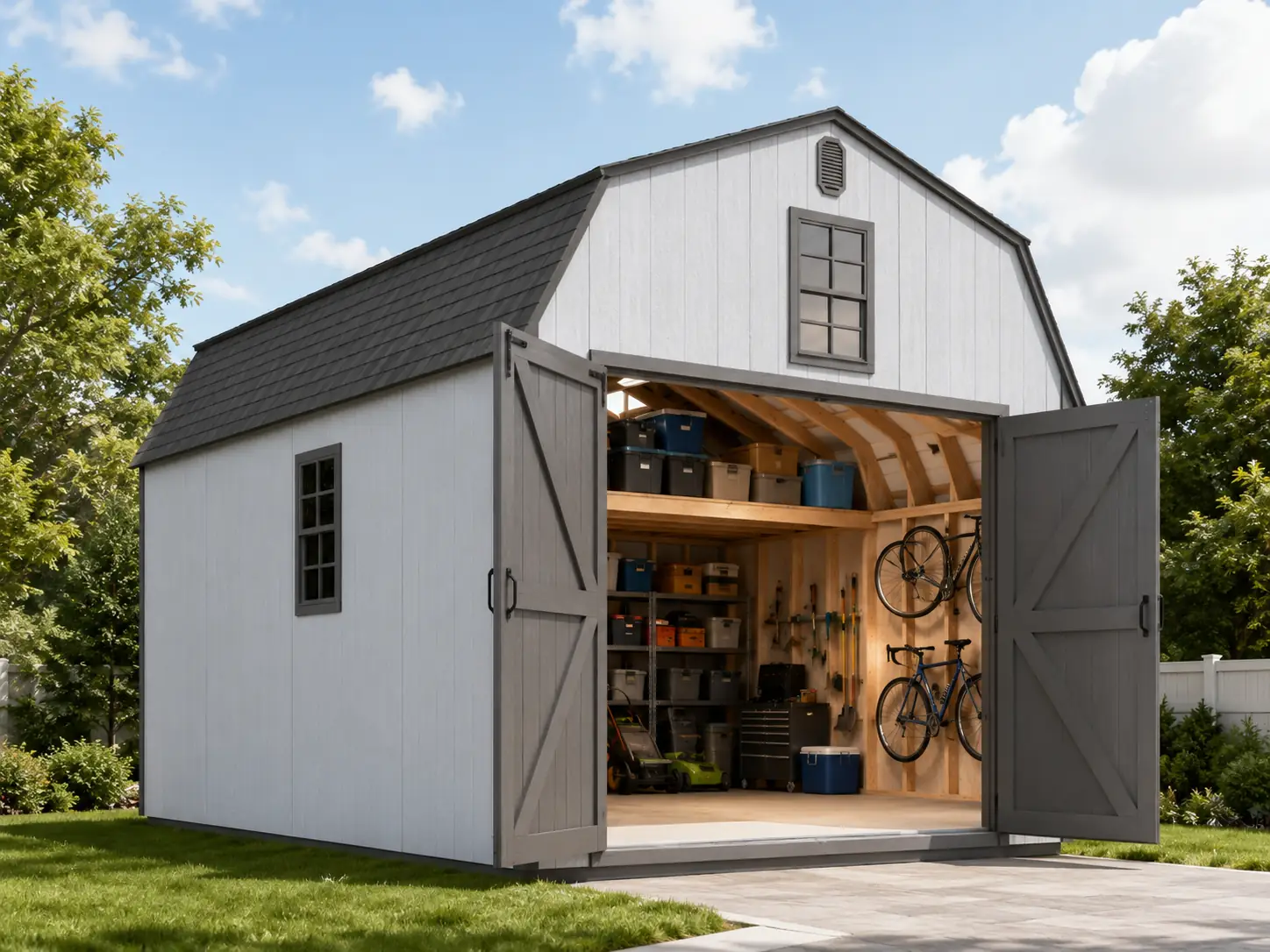
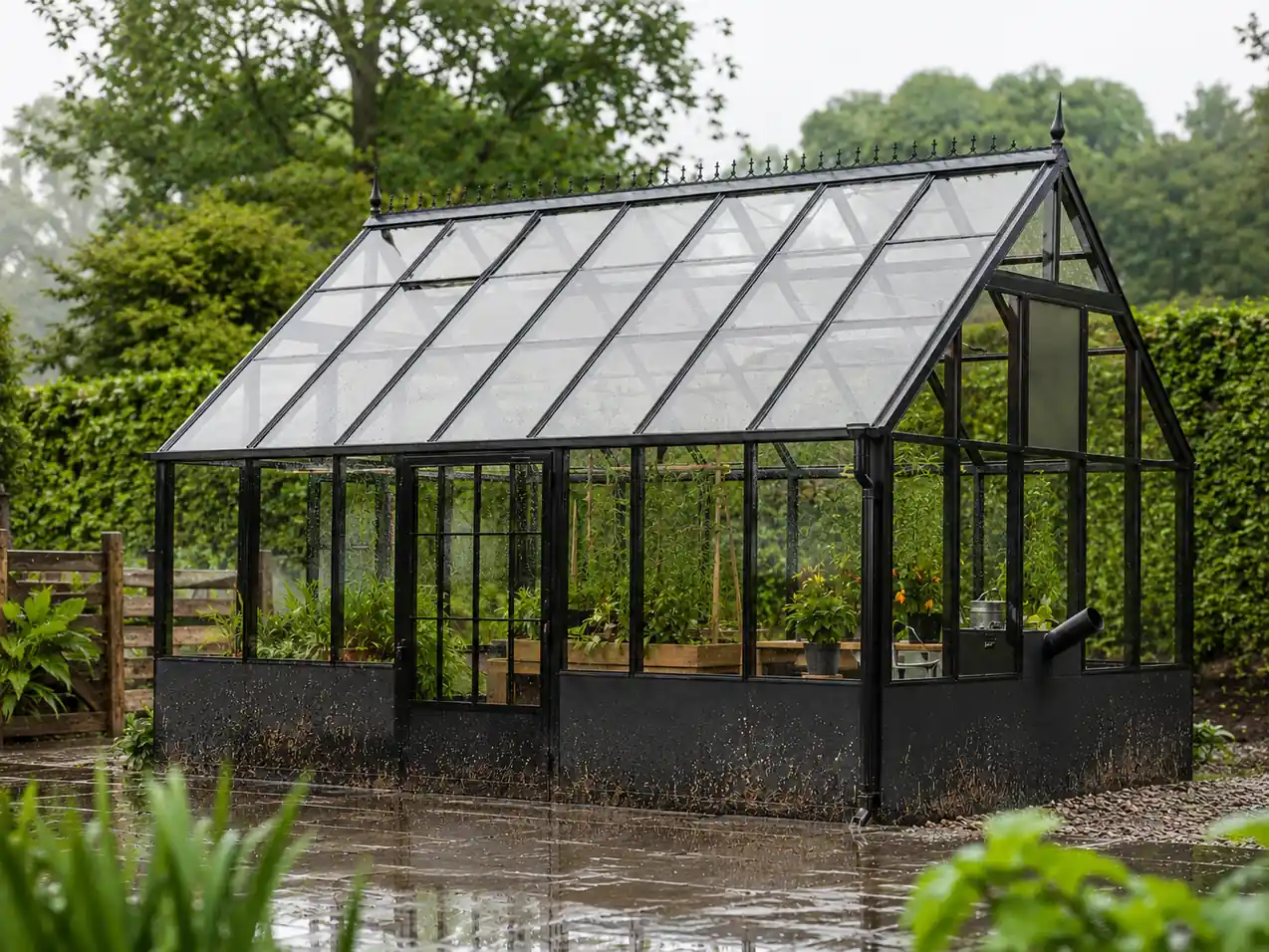
OEM programmes can begin with an established DBB manufacturing platform or with a customer-owned design requiring dedicated engineering and tooling.
Built for Long-Term OEM Programmes
We work with buyers committed to long-term growth: companies with an engineering specification to protect, a certification burden to satisfy, and volume that justifies dedicated tooling. If your product line needs a factory that will still be building the same part to the same tolerance in year five, this is the conversation to start.
If you are earlier than that — a brand, a market, and no drawings yet — the Private Label Program gets you to market faster with less tooling risk.