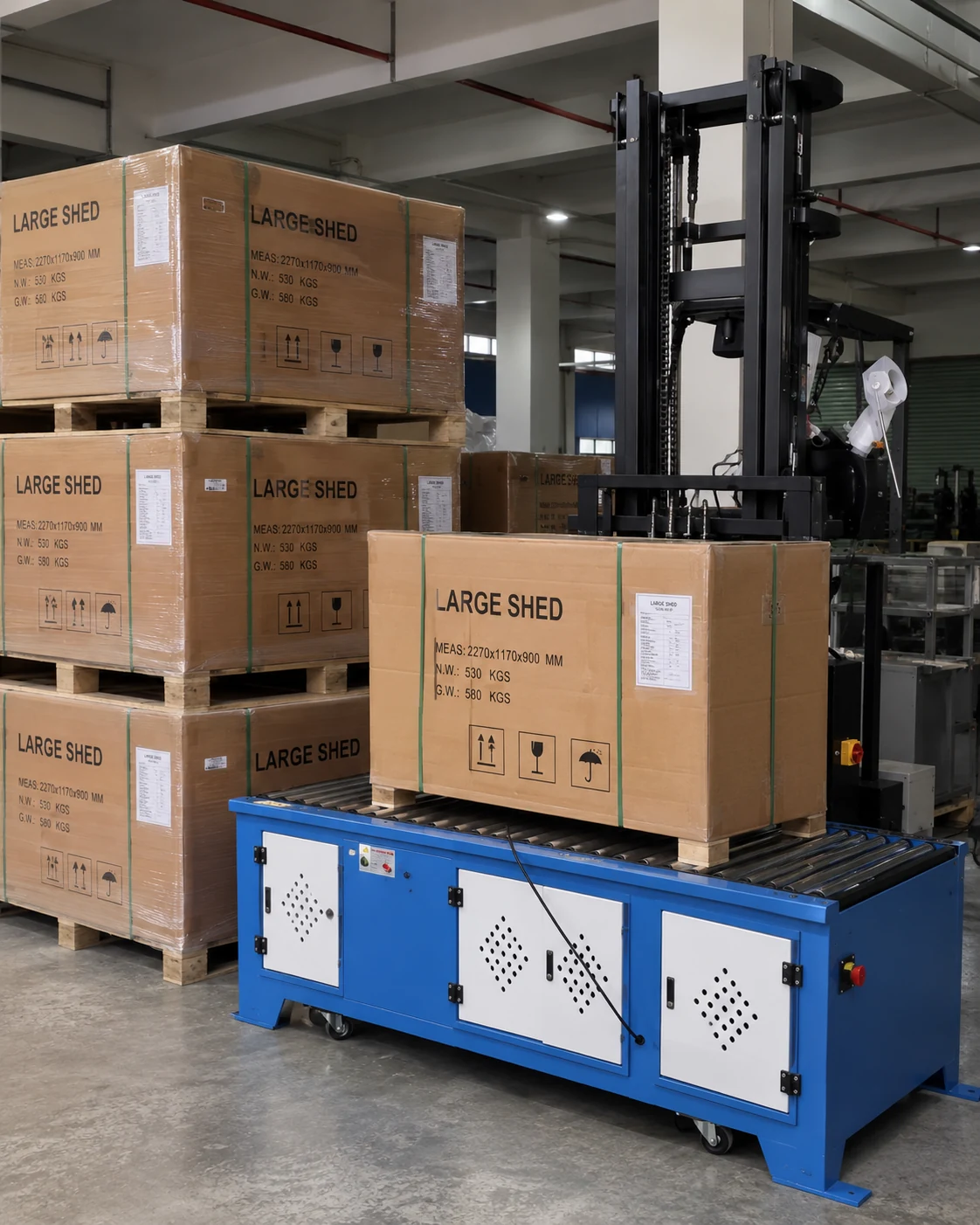
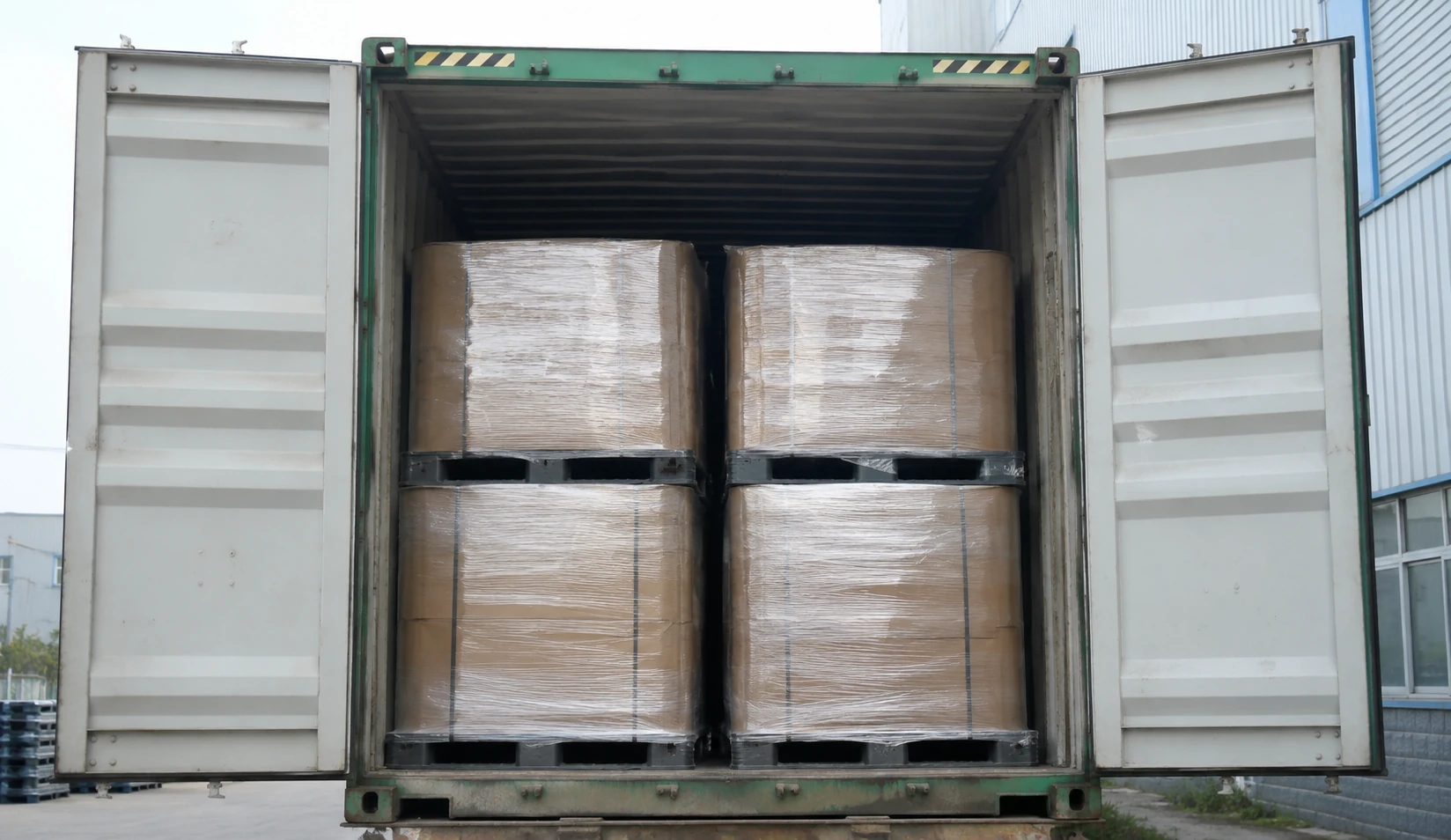
Container Loading Optimization
Packaging & Container LoadingAn outdoor structure is heavy and long with multi-component. The pack…
Read MoreDiBiBi manufactures resin, metal, and aluminum outdoor storage products out of an ISO-certified facility in Zhejiang, with highly accurate inspection built into every stage of production. UV exposure is one of the main reasons outdoor products fail over time — not through a single event, but through years of cumulative sunlight breaking down surface materials. This post covers how UV resistance is tested and engineered across our three material lines.
Before any material formulation goes into production, samples are run through accelerated UV weathering — placed in a controlled chamber that simulates years of sunlight exposure in a matter of weeks. After exposure, samples are checked for color change, surface chalking, and loss of mechanical strength compared to unexposed samples. A formulation only moves into production once it holds up through this cycle.
Resin panels get their UV resistance from the material itself, not a surface layer. The UV stabilizer is compounded directly into the resin granules before extrusion, so protection runs through the full thickness of the panel rather than sitting on top of it. That distinction matters for bulk buyers: a surface coating can wear thin or scratch off during shipping and handling, but a compounded stabilizer doesn’t degrade the same way from a rough container load or a few years outdoors.
Metal panels rely on a self-developed color steel coating, cold-rolled and bonded to the steel substrate. UV testing for this line checks primarily for color fade and chalking on the coated surface over extended exposure — since a coating that fades unevenly is a common source of cosmetic complaints even when the structural steel underneath is unaffected.
Aluminum is inherently more UV-stable than coated or painted surfaces, since its natural oxide layer doesn’t break down the way an organic coating or resin surface can. UV testing on aluminum components focuses mainly on any painted or anodized finish applied over the base metal, rather than the aluminum itself.
| Material | What’s tested | Primary failure mode | Pass criteria |
|---|---|---|---|
| Resin | Compounded UV stabilizer through panel thickness | Fading, chalking, embrittlement | Minimal color shift, no cracking after exposure cycle |
| Metal | Color steel coating surface | Uneven fading, chalking | Consistent color retention across coated surface |
| Aluminum | Painted/anodized finish (base metal is UV-stable) | Finish fading | Finish holds color and adhesion after exposure |
UV resistance isn’t a single spec — it’s a different engineering problem for each material. Resin depends on what’s compounded into the material itself, metal depends on coating durability, and aluminum depends mostly on the finish applied over an already-stable base. Testing each material against its own actual failure mode, rather than applying one generic UV standard across the board, is what keeps color and structural performance consistent across large production runs.