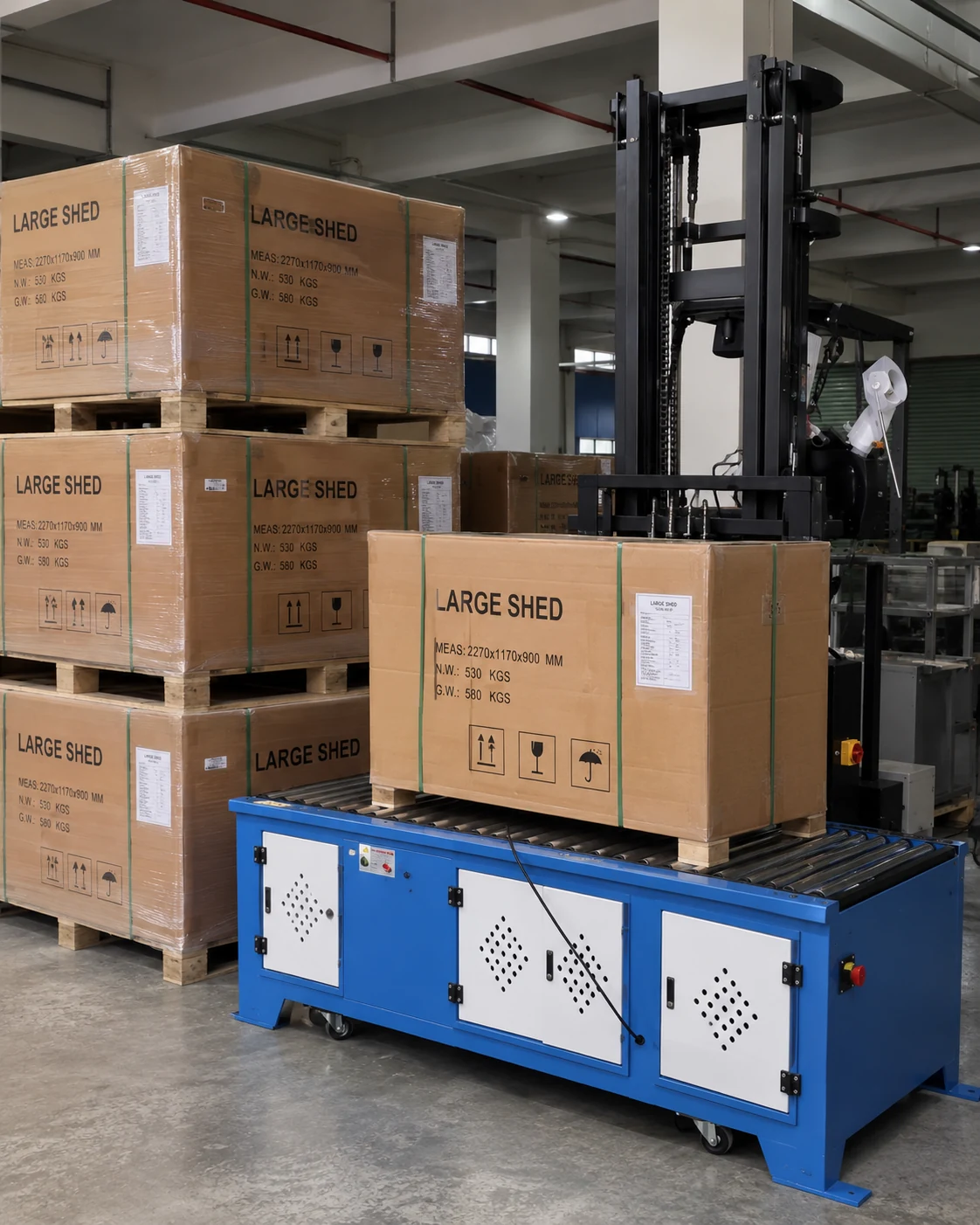
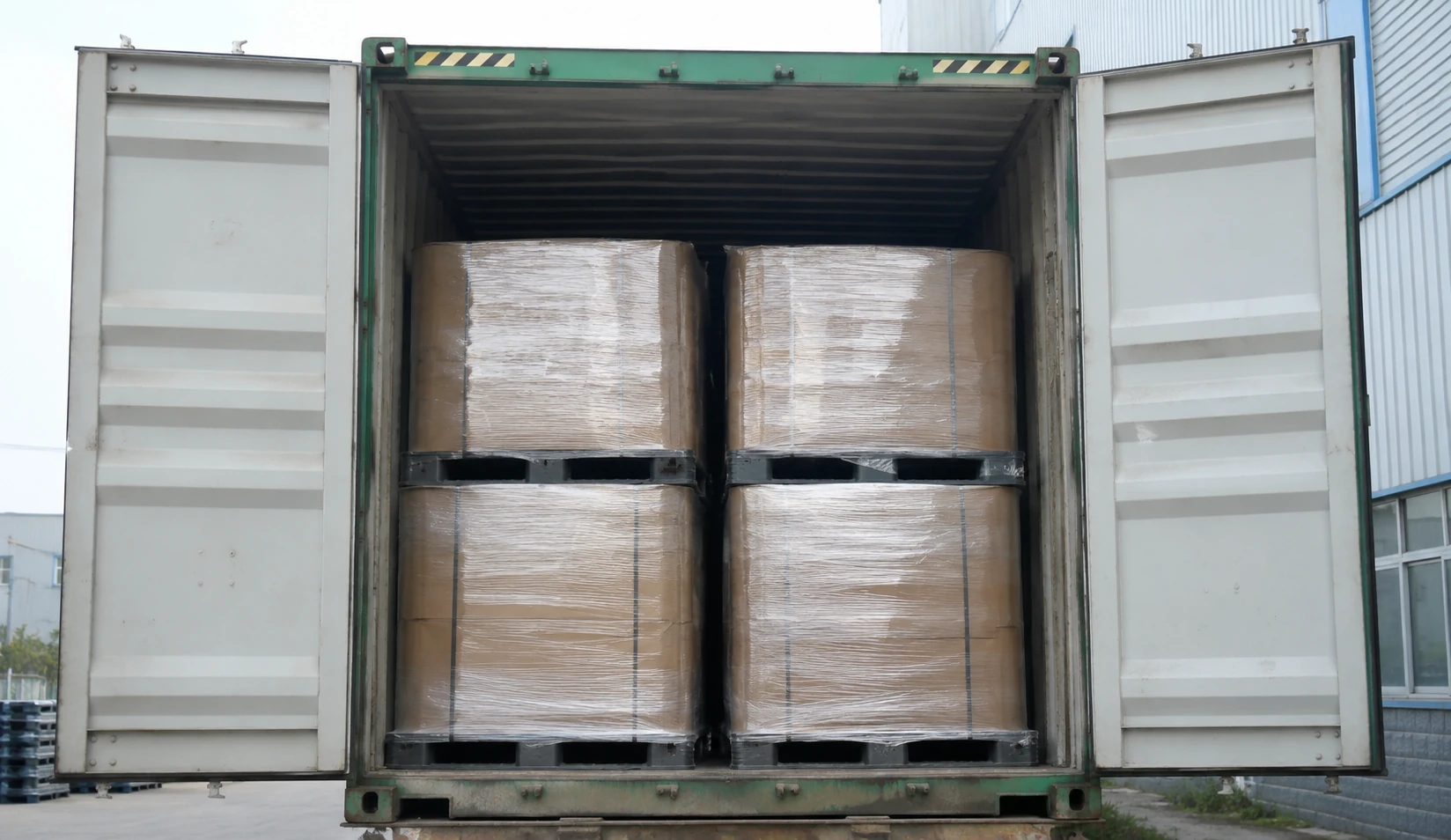
Container Loading Optimization
Packaging & Container LoadingAn outdoor structure is heavy and long with multi-component. The pack…
Read MoreFor a lot of buyers right now, lead time matters more than the unit price on the quote. A shed that’s 5% cheaper doesn’t help if it misses the spring retail window, or if freight delays turn a good margin into a bad one. Container space is tighter and pricier than it used to be, ocean transit times are less predictable, and seasonal categories like garden storage only have so many weeks to hit shelves before the buying window closes. A reliable delivery date has become its own kind of value — sometimes worth more than a lower factory price.
That’s the problem DiBiBi has built its production system around solving: not “how do we make sheds cheaply,” but “how do we make sure the date we quote is the date we deliver.”
Most of the delay in this industry doesn’t happen on the line — it happens waiting for the line. A single-factory setup means every order, from every customer, competing for the same finite run time. One big order ahead of yours, one line changeover, one machine down for maintenance, and your ship date slips.
DiBiBi runs two plants in parallel, with the JINHUA facility — 10,000㎡ of dedicated production space — operating alongside the main site rather than behind it. That means order volume isn’t stacked into a single queue. Standard runs, custom configurations, and overflow capacity during peak season can be distributed across both plants instead of forcing everything through one bottleneck. For a buyer, the practical effect isn’t abstract: it’s a shorter, steadier queue between “order confirmed” and “production started.”
Capacity only helps if it’s scheduled well. DiBiBi runs production planning through an ERP/OA system rather than manual, paper-based, or spreadsheet-driven scheduling — the kind of system that still causes real slippage on the factory floor when a delay in one order isn’t recognized in time to protect the next one.
What this changes for a buyer is less about technology and more about outcome: order status is tracked in real time against a fixed schedule, so a delay on one line gets caught and adjusted for before it becomes a delay on your line. Material sourcing, molding, assembly, and packing are sequenced against confirmed order dates instead of loosely estimated ones. The result is a delivery window that holds — not a window that’s accurate until something goes wrong upstream.
“Lean manufacturing” gets used as a buzzword often enough that it’s worth being specific about what it means on DiBiBi’s floor. It isn’t a slogan — it’s a list of steps that used to exist and don’t anymore, or wait time that used to happen and now doesn’t.
Each of these removes either a step or a wait — not both at once, but consistently, order after order. That’s the difference between “lean” as a word on a capabilities page and lean as something a buyer actually experiences in their delivery date.
Here’s what that looks like end to end, for a typical order: