We help retailers, brands, importers and distributors develop smarter outdoor storage products — from market insight and product design to engineering validation and launch support.
High Performance Material Innovation
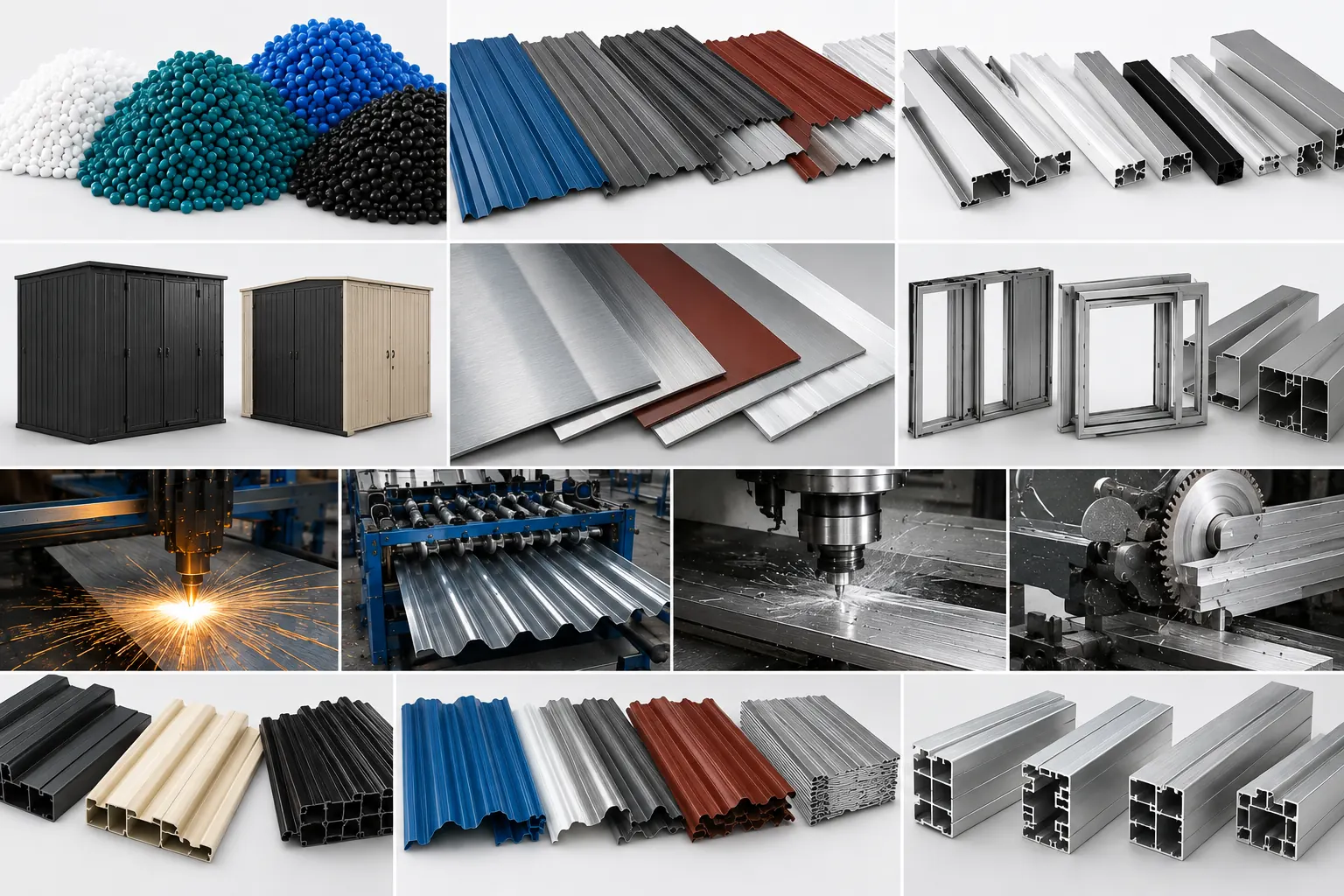
Resin Materials
Four resin-forming processes under one roof let a product’s structure be matched to the right method — not forced onto whatever a single line can run.
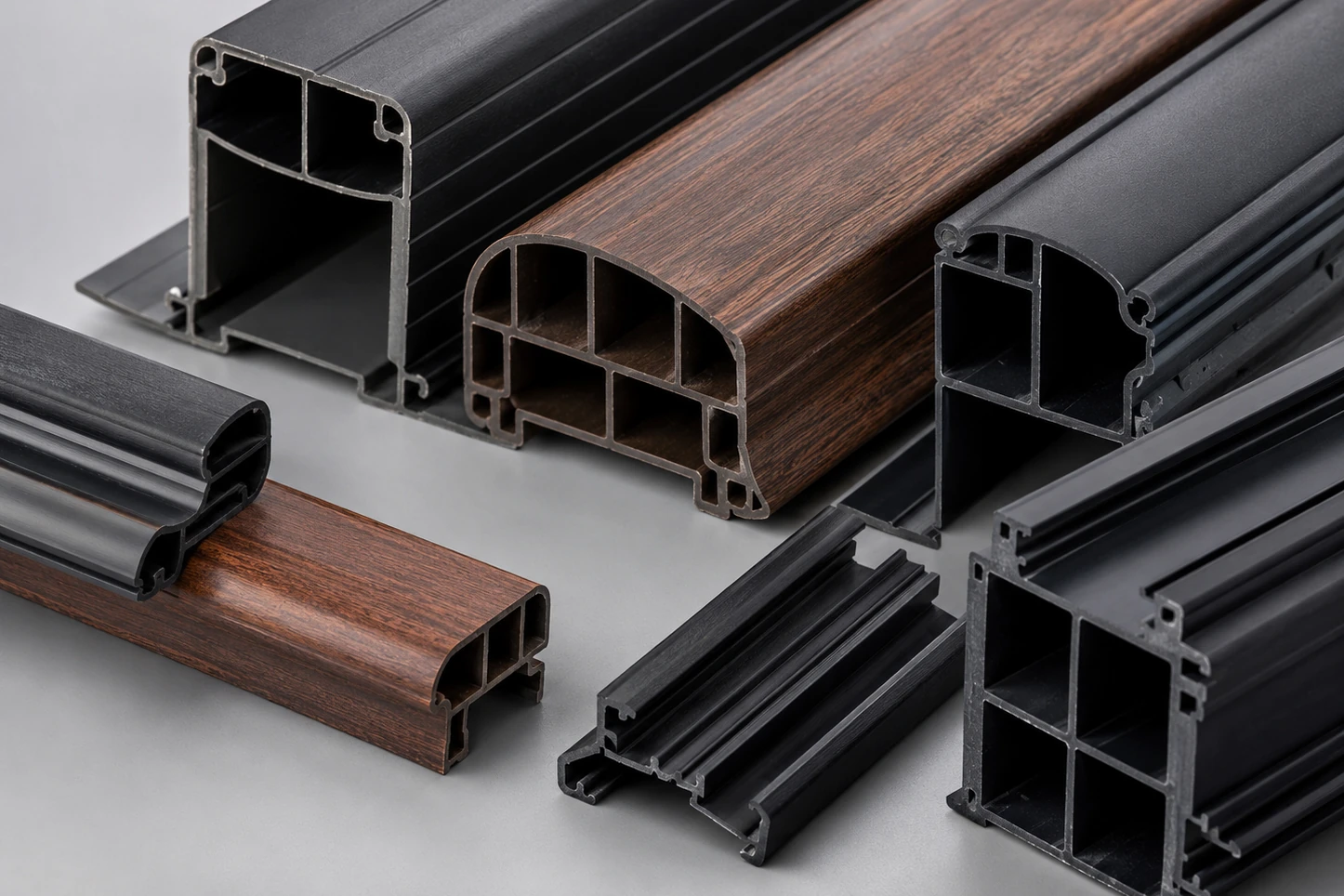
Plastic Extrusion
Continuous profiles and sheet stock formed from resin — the base material for many panel and frame parts.
Molten polymer is driven through a precision die under tight thermal control, typically held between 160 °C and 300 °C depending on the feedstock. The result is dimensionally consistent geometry produced without interruption: flat sheet at specified thickness, tubing at exact diameter, and complex profiles for frames and molding.
Blow Molding
A heated parison is captured in a closed mold and expanded outward against the cavity wall by pressurized air. Because the wall forms in a single continuous skin with no seams or joints, the finished part carries inherent structural integrity and resists moisture ingress at the very points where fastened assemblies typically fail.
Injection Molding
Continuous profiles and sheet stock formed from resin — the base material for many panel and frame parts.
Molten polymer is driven through a precision die under tight thermal control, typically held between 160 °C and 300 °C depending on the feedstock. The result is dimensionally consistent geometry produced without interruption: flat sheet at specified thickness, tubing at exact diameter, and complex profiles for frames and molding.
Vacuum Forming
Large-format, stress-free parts built from the inside out.
Powdered resin is charged into a mold that rotates biaxially inside a heated chamber, fusing layer by layer against the tool surface as it turns.
Metal Materials
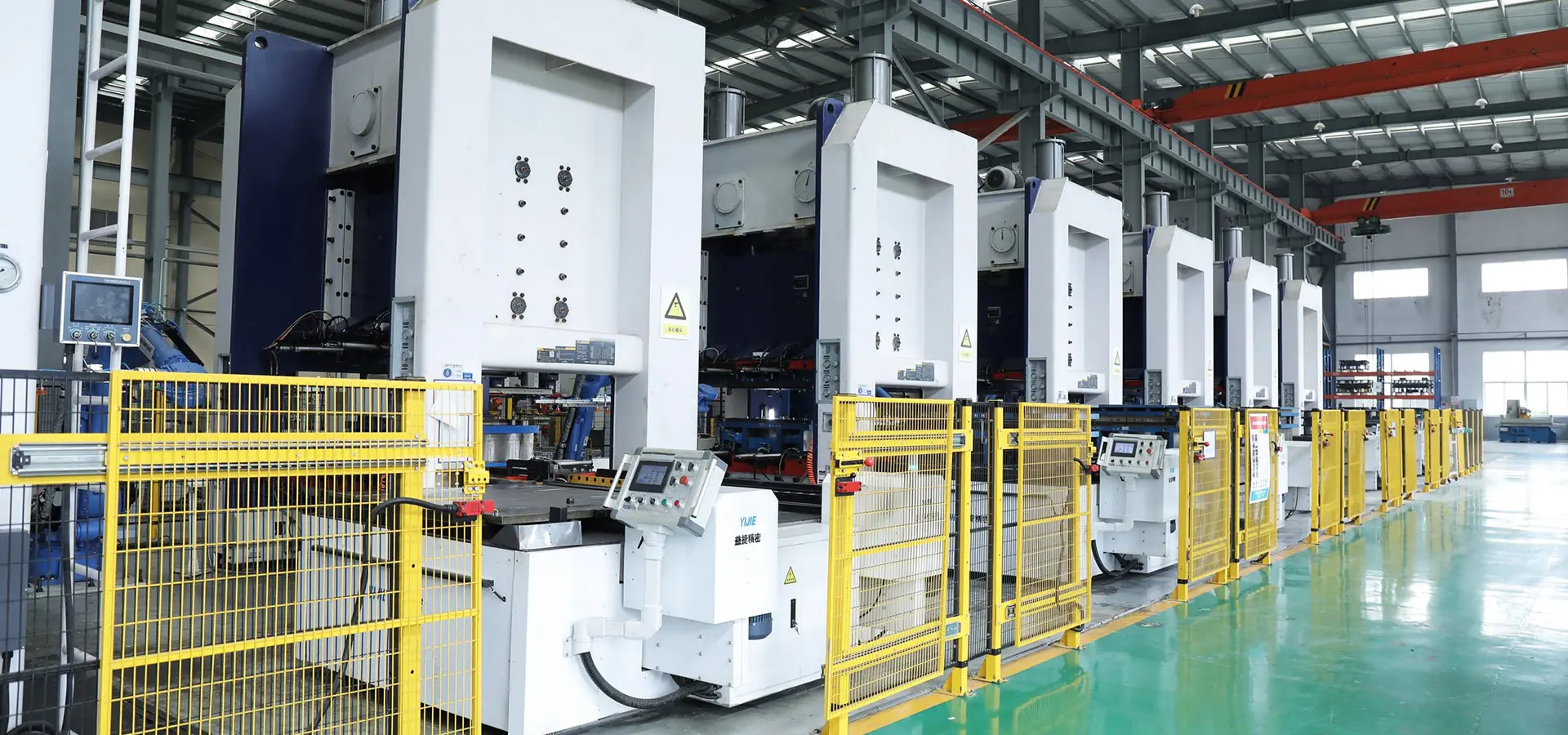
Four steel-forming and finishing steps under one roof take frame components from cut coil through to a protected, finished surface.
Metal Fabrication
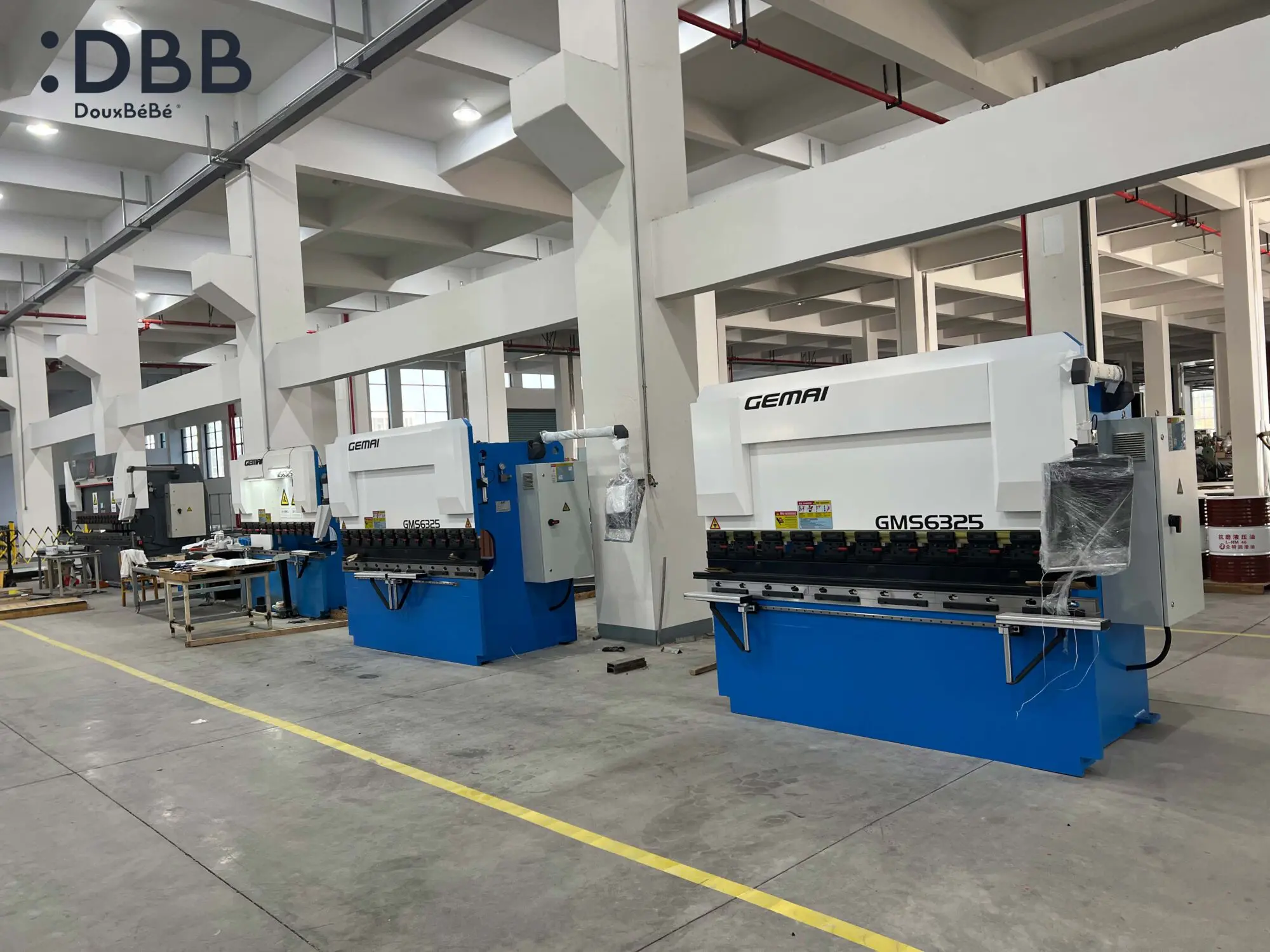
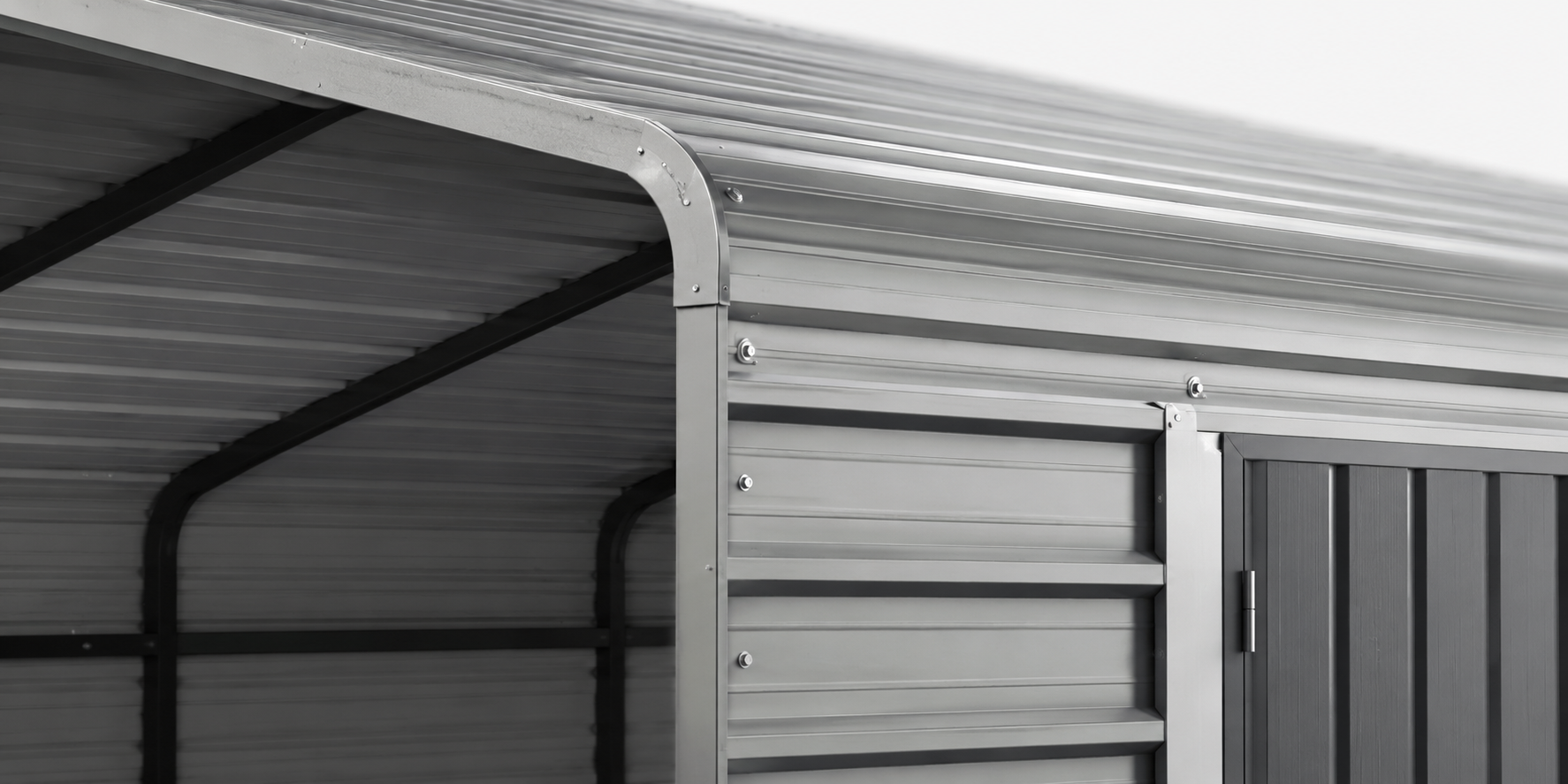
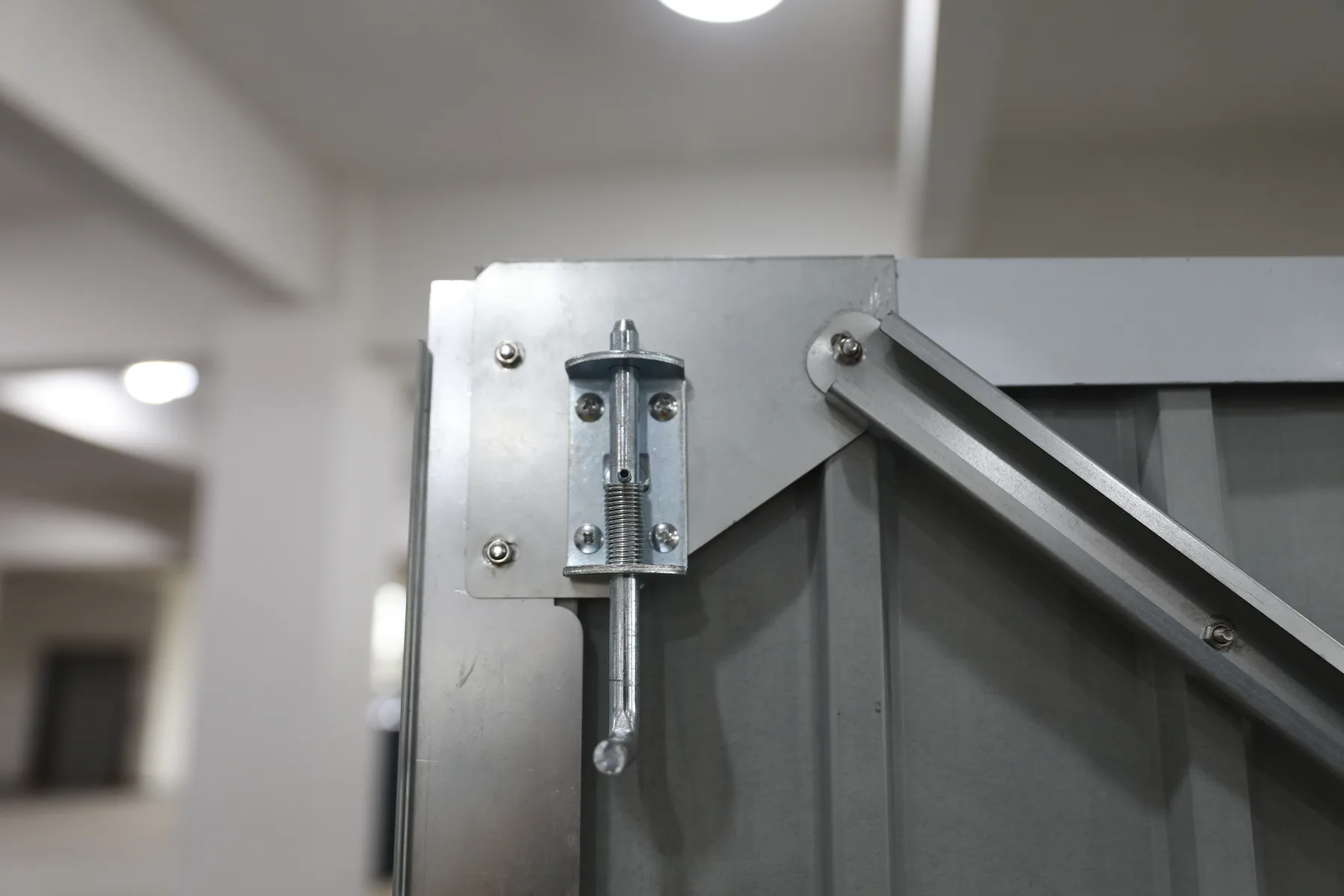
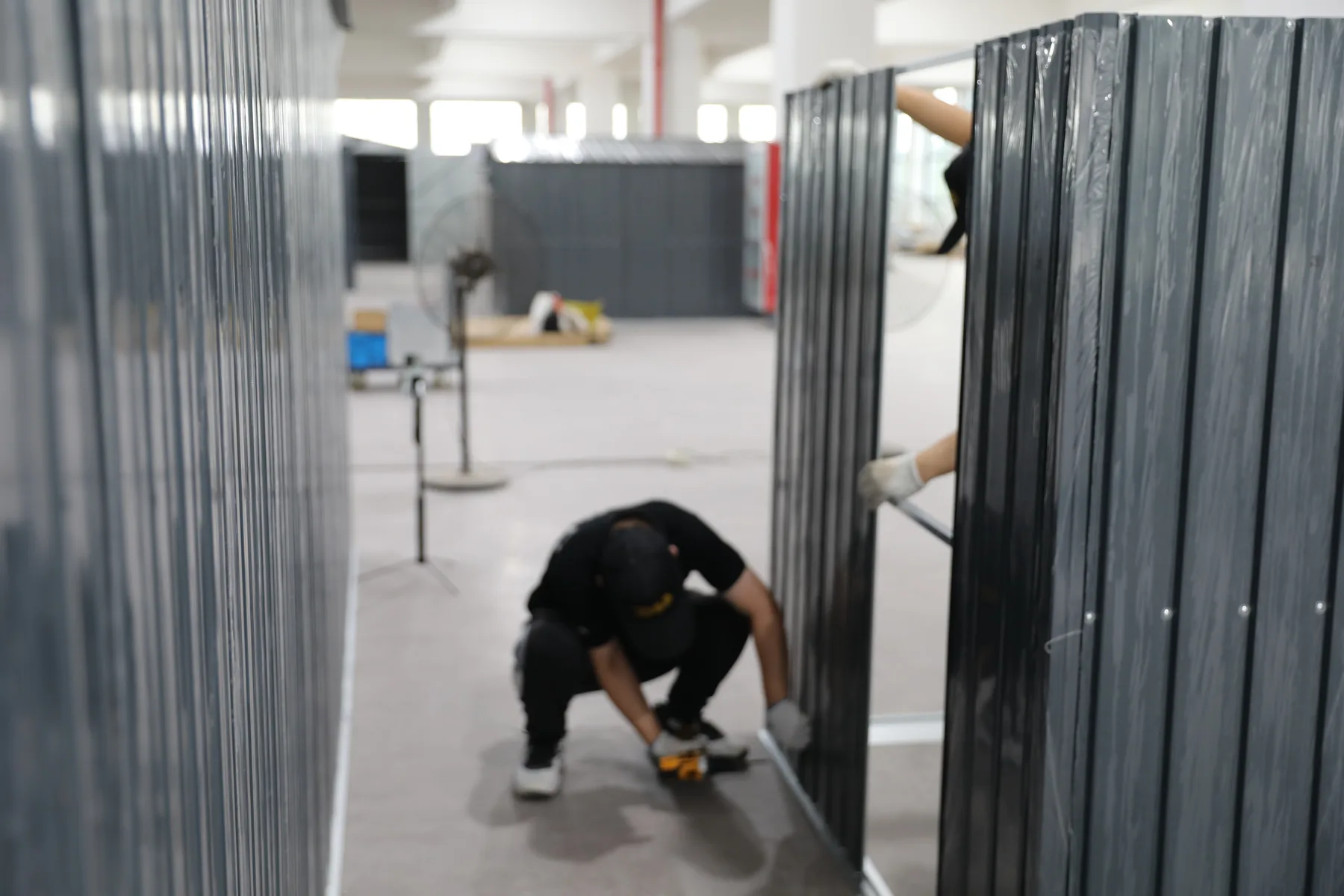
Steel sheet and coil are cut, formed, and stamped to specification for frame components and structural reinforcement — the base forming process behind panel-backing steel and structural frames.
Galvanizing
Steel components are coated with a zinc layer that forms a sacrificial barrier against corrosion, protecting the base steel even where the surface is scratched or cut during fabrication.
Welding & Joining
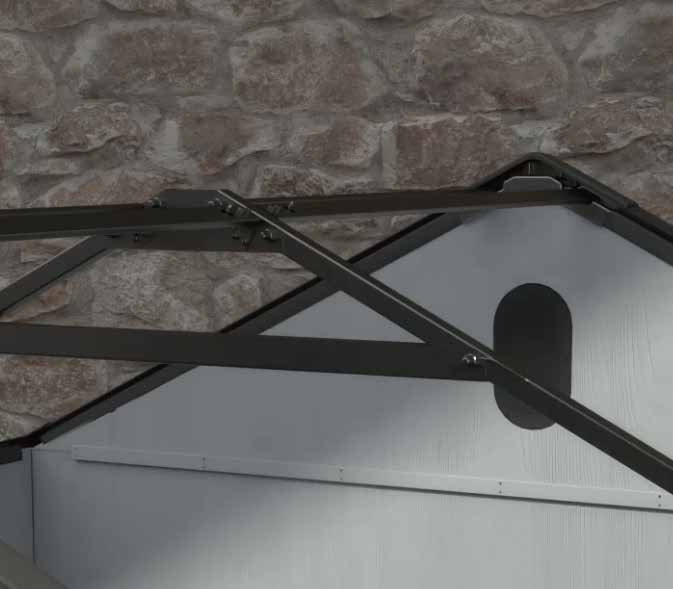
Steel frame components are welded into fixed structural assemblies, giving joints load-bearing strength that fastened-only connections don’t provide.
Powder Coating
Applied after galvanizing, powder coat provides the finish layer — color and surface texture — on top of the zinc corrosion barrier beneath it.
Aluminum Fabrication
Four resin-forming processes under one roof let a product’s structure be matched to the right method — not forced onto whatever a single line can run.
Aluminum Structures
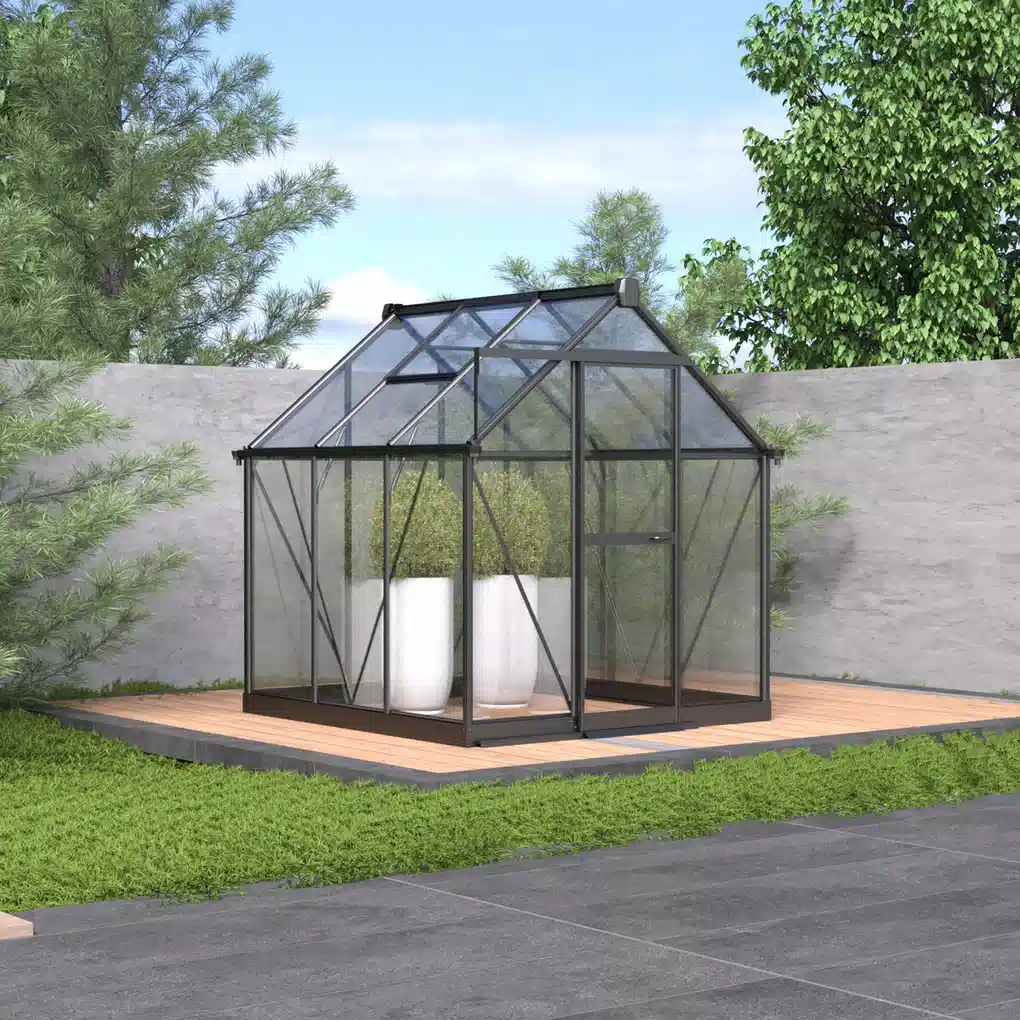
Aluminum profiles are cut to the required length, then precision-milled and deburred to achieve clean edges and accurate dimensions. Angled cuts are added where needed to ensure a precise structural fit, followed by integrated drilling and milling for accurate hole placement. Each finished component is inspected before surface treatment.
Surface Finish & Environmental Profile
After inspection, the aluminum components are sent to a specialist partner for powder coating, creating a durable, uniform surface with the specified color and finish.
Aluminum naturally resists corrosion through a self-forming oxide layer. It can also be recycled repeatedly while retaining its key material properties, supporting more efficient material use across production cycles.
Tooling & Die Development
With in-house tooling and die-making capabilities, we support custom profiles across resin, aluminum, and steel processes. Instead of being restricted to standard catalog dimensions, structures can be engineered to each buyer’s specifications.In-house tooling and die-making support custom profiles across resin, aluminum, and steel processes. rather than being limited to fixed catalog dimensions, structures can be developed to a buyer’s specification.