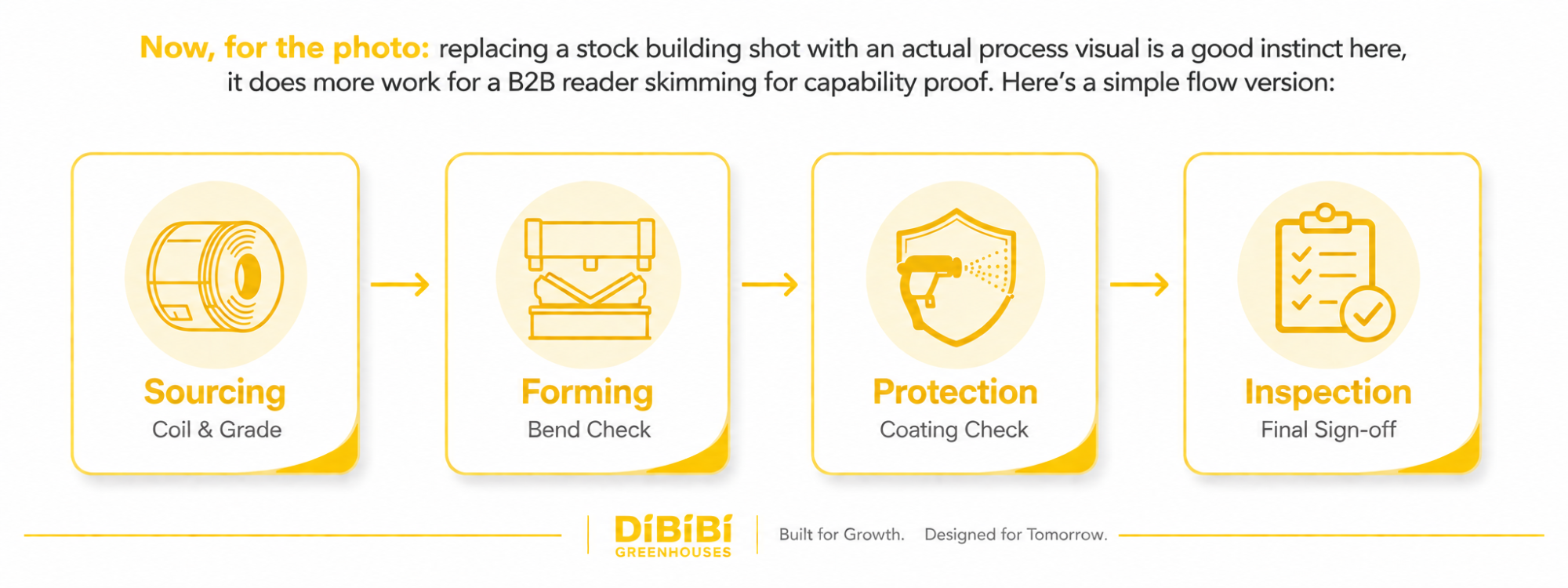
In-house cutting, forming, and coating lines mean tighter tolerances and fewer supplier handoffs.
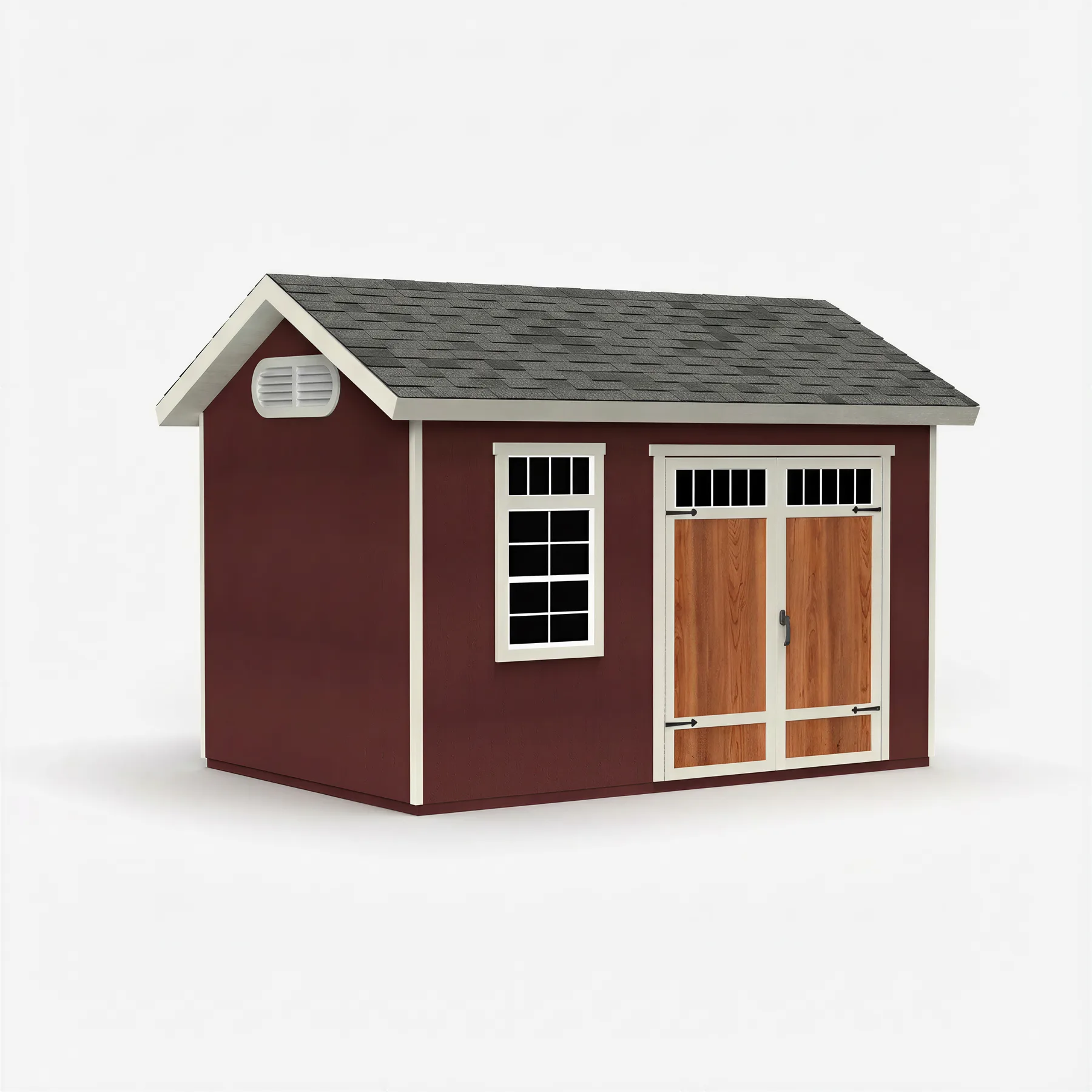
From Log to Body
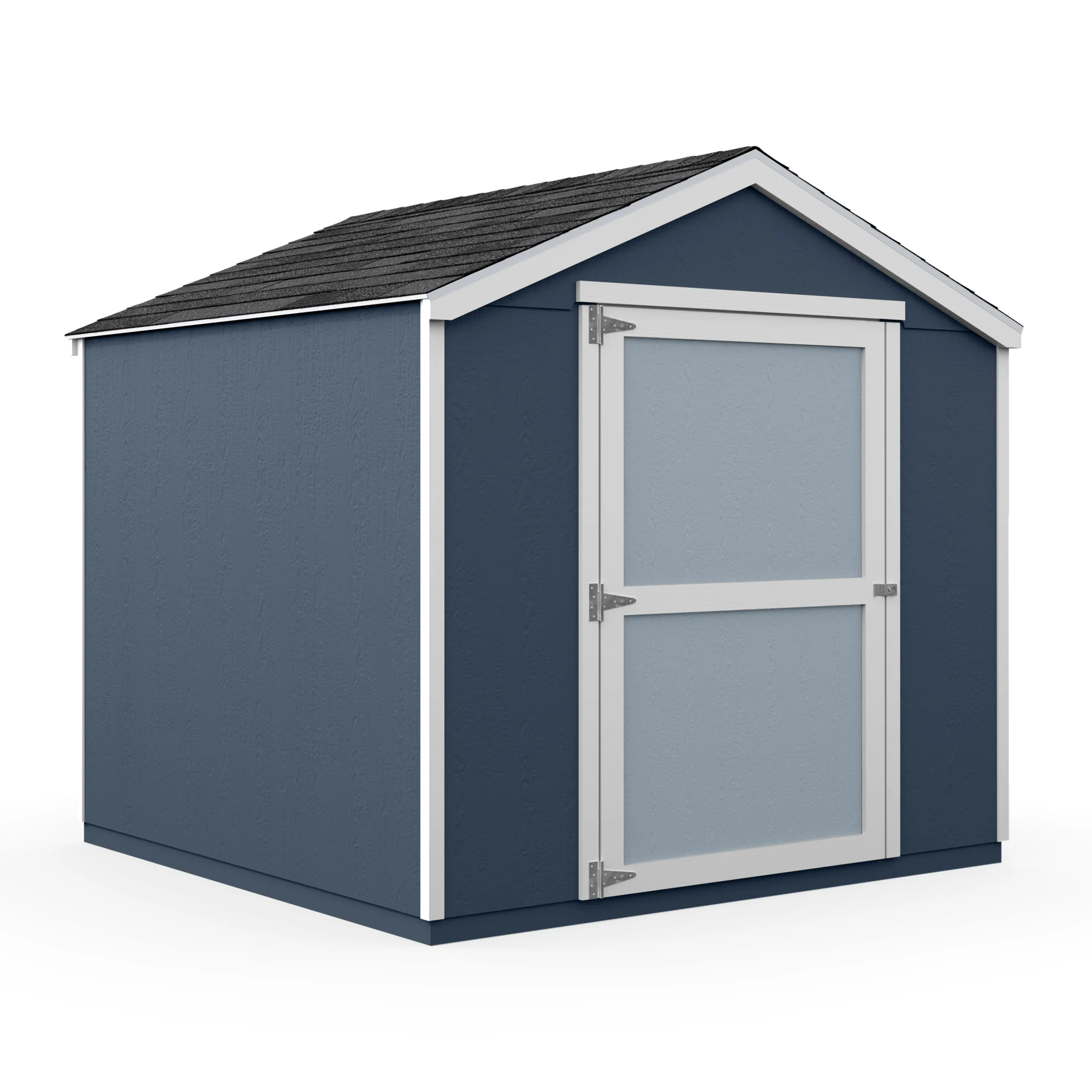
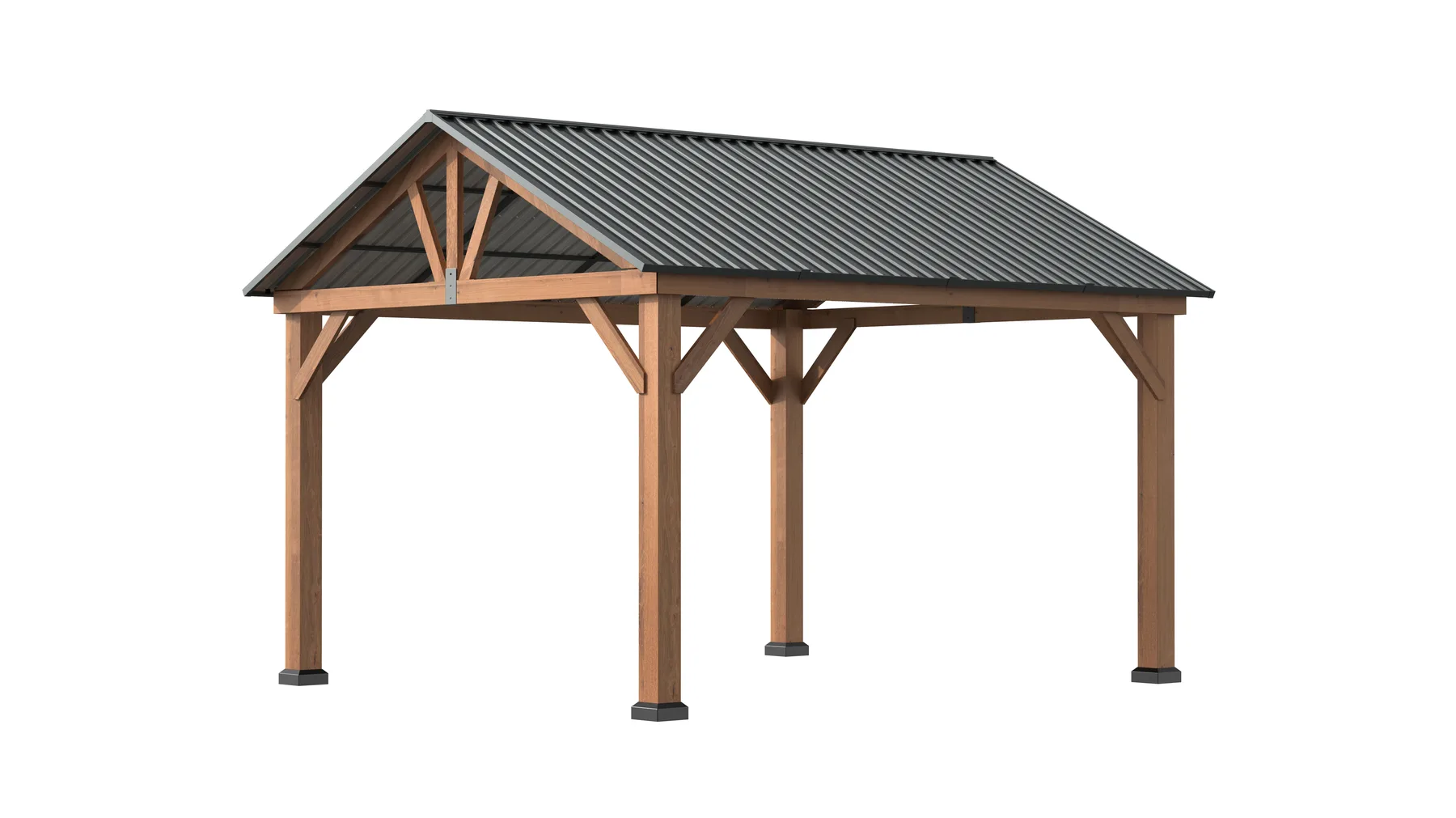
Timber fabrication is the general term for turning raw sawn timber into finished boards, panels, and framing components. It involves drying, milling, cutting, and surface finishing. At DiBiBi, each stage is carefully controlled and adapted to the structural, durability, and production requirements of our wooden sheds, gazebos, and saunas.
Steel Materials for Outdoor Structures
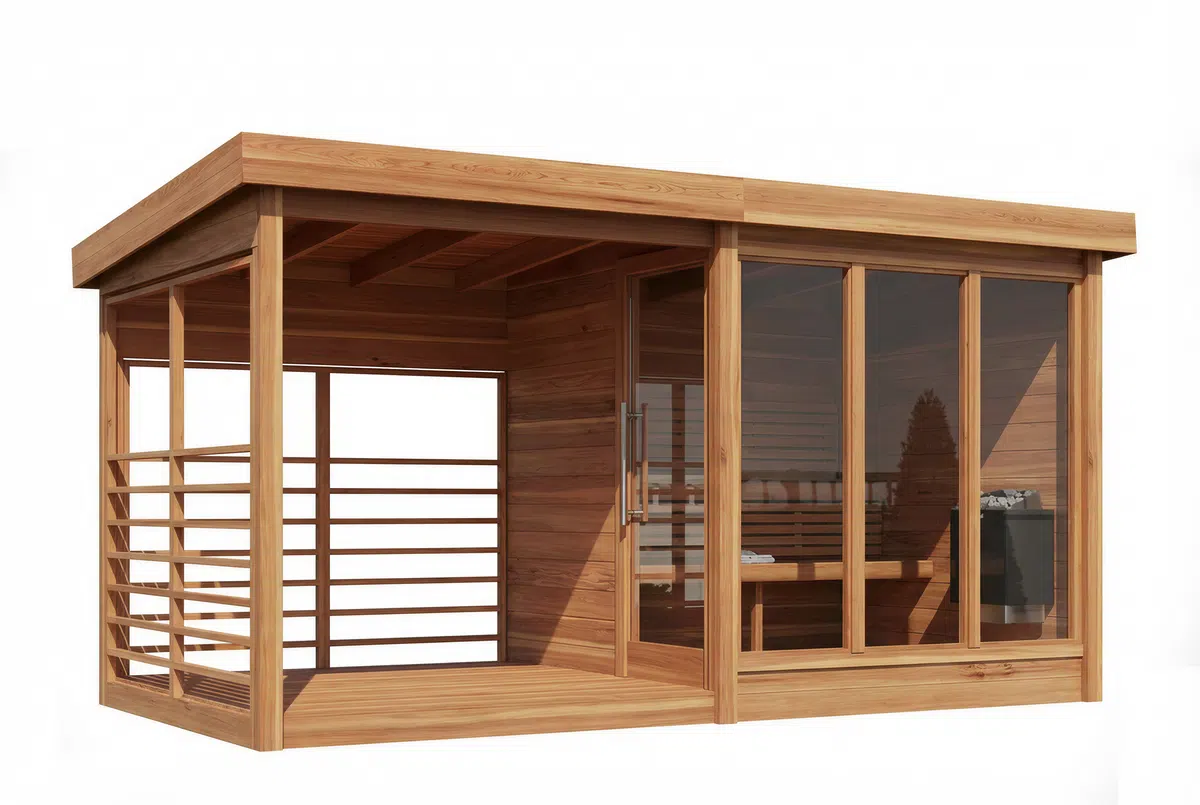
Timber Specification
Our wooden storage line uses tongue-and-groove boards, kiln-dried to a controlled moisture content before milling. Wall and roof boards run 30-40 mm in thickness, with base and frame components pressure-impregnated for ground contact resistance. Rated service life depends on treatment class and finish — confirm figures with the factory before publishing.
Wood Treatment & Finish
After milling, boards go through pressure impregnation and a protective exterior coating that seals the surface against rot, insects, and UV fade. That protection is built to hold at the points other lines skip: tongue-and-groove joints, cut ends, and fastener holes.
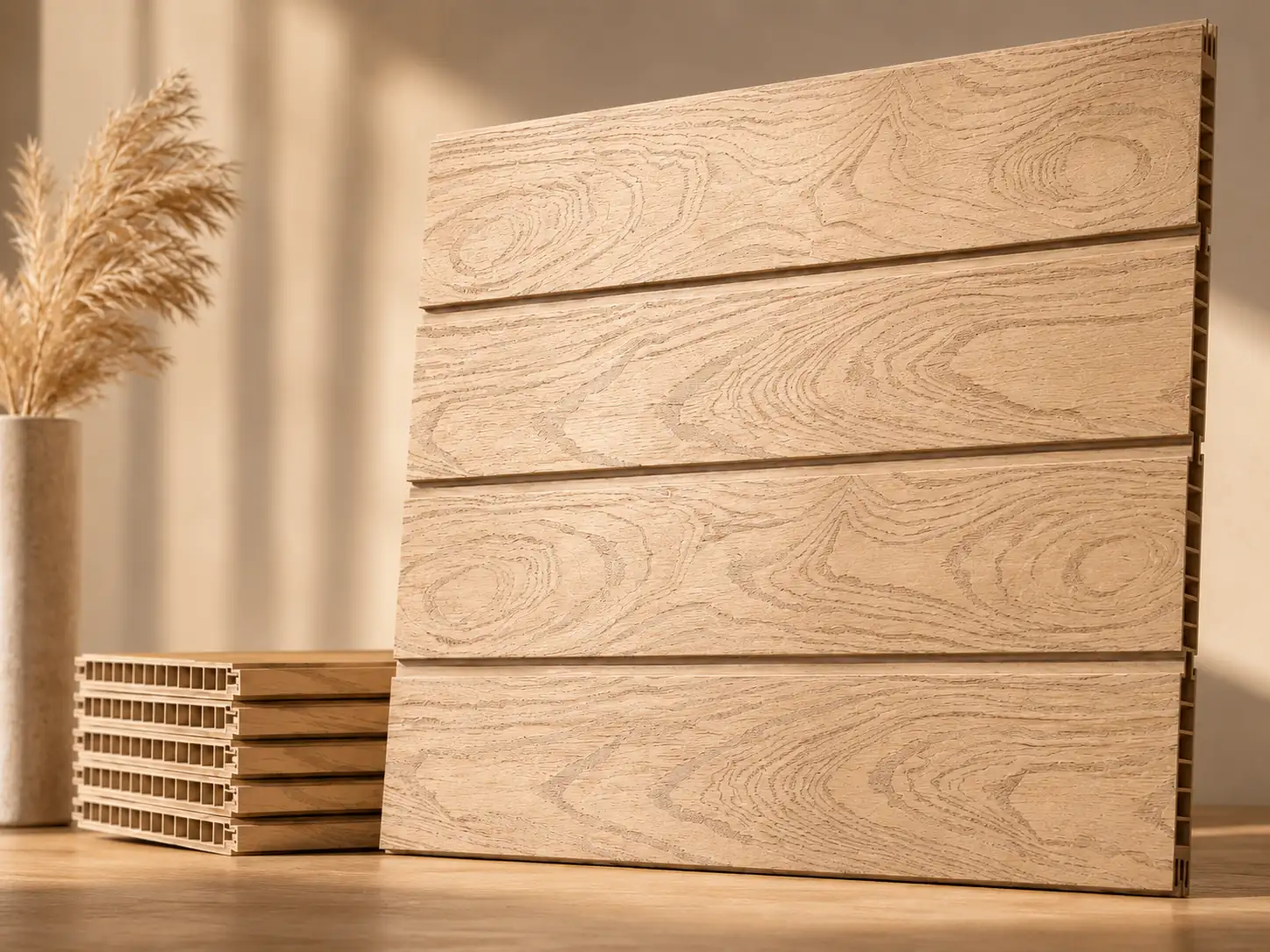
Wood Fabrication Verification
From raw timber to finished board, every stage is checked before it moves forward.
Timber Sourcing
Species and grade verification, with an incoming moisture check on every batch before it reaches the mill.
Kiln-Drying
A controlled drying cycle that holds moisture content within a set range, so boards don’t warp, shrink, or split after installation.
Surface Protection
Pressure impregnation is applied before staining, putting rot and insect resistance inside the timber, not just on top of it.