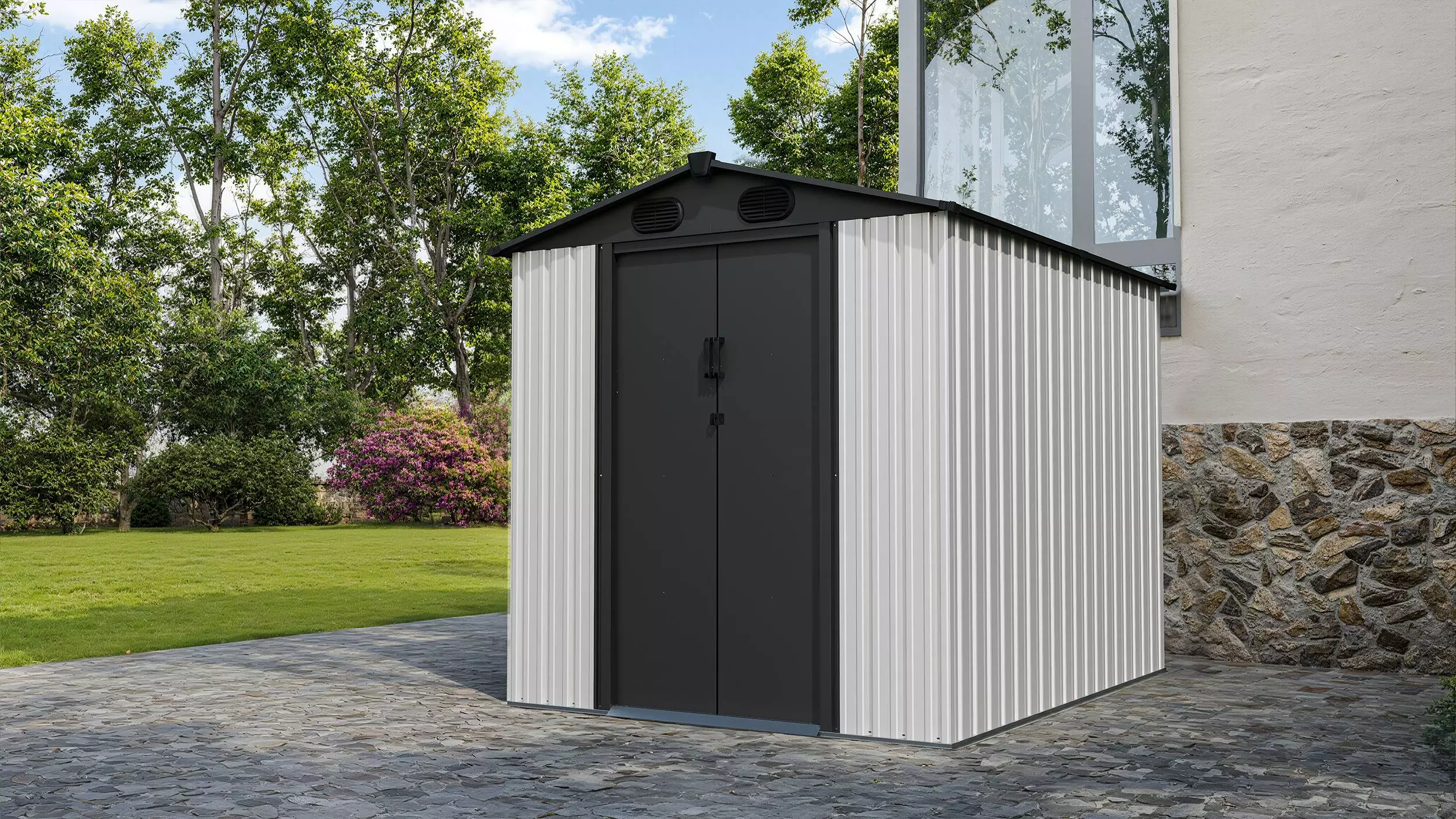
As temperatures drop and daylight hours shorten, garden sheds are exposed to new challenges. Heavy snow loads, freezing temperatures, moisture infiltration, and strong winter winds all pose risk. A winter shed is not just a storage solution – it is a product designed to protect your belongings while extending the service life of the shed itself. Whether sheds are used for storing gardening tools, outdoor furniture, power equipment, or seasonal inventory, winterizing your shed is essential for long-term durability and performance.
This ultimate guide to winter sheds covers everything you need to know – from choosing the right shed materials to shed winterize – to keep your shed and its contents safe all winter long.
What is a Winter Shed?
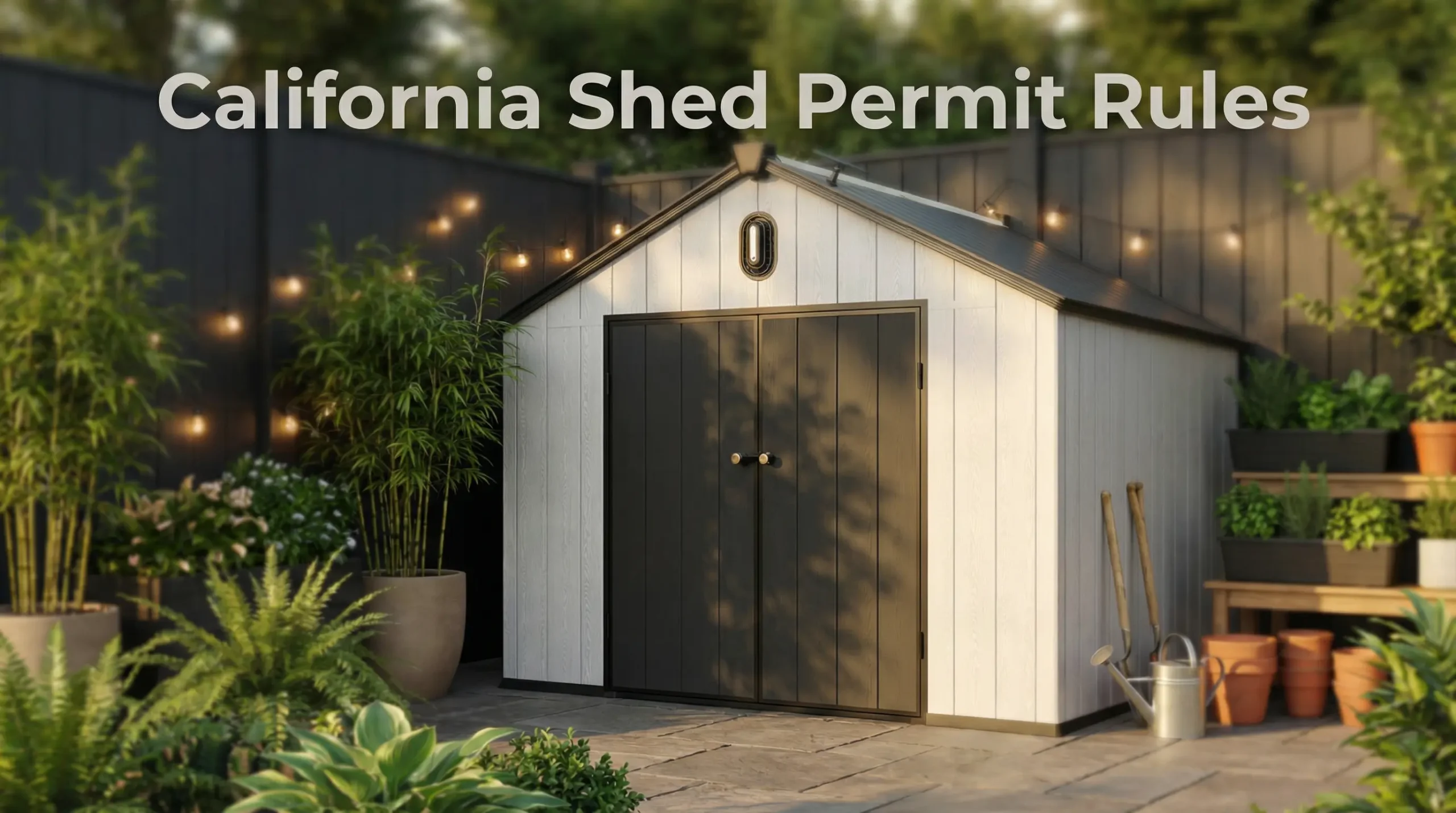
A winter shed is not a specific type of garden shed, but rather a shed that is designed or upgraded to withstand cold weather conditions in winter. A well-prepared winter shed can usually protect itself from snow loads and strong wind. It has stable internal temperatures to protect stored items and durable exterior materials that won’t crack, rot, or corrode in cold climates. Winter sheds are especially important in regions with heavy snowfall, freezing temperatures, or prolonged wet winters.
Best Garden Shed Material for Winter
Choosing the right shed material for winter means balancing durability, insulation, and maintenance. With so many options available, it can be difficult to decide which one fits your climate and needs. Common garden shed materials include plastic (resin), metal, and wood, and each has distinct advantages and limitations when used for winter storage. In this guide, we compare three of these common garden shed materials and identify the best garden shed material for winter shed storage.
Plastic (Resin) Shed
Plastic or resin sheds have transformed garden storage solution in recent years, particularly in residential and DIY markets. Designed to combine durability with convenience, these sheds ofer a low-maintenance alternative to traditional materials. Plastic or resin sheds are built from materials like polyethylene or similar resin compounds and are designed to be fully weather-resistant, providing effective protection against rain, snow, and fluctuating winter temperatures. the shed prom rain, snow, and fluctuating temperatures. Many quality resin sheds are tested to withstand subzero temperature without cracking. So, what’s the pros and cons of plastic or resin shed in winter?
Pros of Plastic Shed:
- Fully waterproof: Plastic does not absorb water, making it highly resistant to moisture during wet winter conditions.
- Low-maintenance: Require minimal maintenance beyond occasional cleaning, even after years of harsh weather.
- Rust or rot resistance.
Cons of Plastic Shed:
- Insulation limitation: Walls are relatively thin and provide limited insulation.
- Snow load limitations: Lower-grade plastic sheds may struggle under heavy snow loads.

Metal Shed
Metal sheds, often made from galvanized steel or aluminum, are wide recognized for their strength, security, and long-term durability. However, compared to plastic sheds, metal structures are more sensitive to temperature fluctuations during winter, as metal valued for their strength and security. But compared to plastic sheds, metal sheds are more sensitive to temperature as metal conducts heat and cold efficiently.
Pros of Metal Shed:
- High structural strength: Excellent resistance to heavy snow loads and strong winter winds.
- Long Service Life: Metal shed can have a long service life with proper coating.
Cons of Metal Shed:
- Poor thermal insulation: Requires additional insulation in cold climates and condensation problems are typically worse in winter.
- Corrosion risk: Metal sheds with incorrect or low-quality coatings may fail over time especially in high-moisture regions.
Wooden Shed
Wooden sheds are traditional storage solution and remain popular due to their natural insulation and aesthetic. In cold, wet, and snowy regions, wooden sheds are often preferred by homeowners who prioritize thermal performance and durability.
Pros of Wooden Shed:
- Better insulation: Wooden material usually provides better thermal performance than plastic or metal.
- Highly customizable: Easy to upgrade with additional insulation in the walls, roof, and floor.
Cons of Wooden Shed:
- Heavier logistics: Increased shipping and installation costs and difficulty.
- Moisture vulnerability: Easy to cause rot and swelling without correct painting or sealing.
- Frequent maintenance: Poorly maintained wooden sheds may also attract pests.
How to Winterize a Shed?
The winter shed is designed to protect all of your backyard items and proper shed winterizing not only protects your belongs but also reduces maintenance costs and extends the shed’s service life.
In this guide, we’ll walk you through how to winterize a shed step by step.
Clean the Shed And Clear Out the Clutter
Start your shed winterizing by completely clearing out all items stored in the shed. Sweep away dirt and dust accumulated during the warm seasons. Pay attention to any corners and edges, remove or discard any material that are no longer useful.
When the shed is empty, inspect the interior for signs of pest activity, such as droppings, or nesting materials. Clean all shed windows thoroughly – both inside and outside – to maximize natural light during shorter winter days. This deep cleaning step lays a solid foundation for effective shed winterizing and helps ensure a clean, dry, and well-maintained storage space.
Inspect and Repair Shed Structure
Once the shed is completely empty, carefully inspect its overall conditions. Examine walls and panels for cracks, holes or gaps that require sealing, repair, or replacement. Check the roof carefully for loose, missing or damaged area where snow or water may penetrate and cause leak. In addition, test all doors and windows to ensure they open and close smoothly and form a tight seal when shut.
Address any small issues immediately. Tighten loose screws or fasteners, replace damaged panels, and seal cracks with weather-resistant materials before freezing temperatures arrive. Addressing minor problems early helps prevent costly structural damage during winter storms.
Organize and Store Items Properly
After cleaning and repairs, place items back into the shed in a smart, winter-friendly way. Proper storage not only maximizes your shed’s capacity but also helps protect items from moisture, cold, and damage during winter. Proper organization also makes winter access safer and more convenient. Follow these best storage practices:
- Place the frequently used tools near the entrance for easy access
- Storing heavy equipment against walls for stability
- Using waterproof storage bins for smaller items
- Group similar items together to maintain organization and simplify retrieval
Insulate the Garden Shed and Improve Weatherproofing
If your garden shed is used for workshop or storing sensitive items, insulating your garden shed is a necessary. You can choose foam board insulation, reflective insulation panels, or rubber and insulated floor mats for shed insulation. Insulation helps reduce temperature fluctuations, minimizes condensation, and adds comfort if you need to access the shed during winter.
Reinforce the Shed Foundation
A robust shed foundation is also important for shed in winter. Check if the shed base is level and secure and no water pools near the shed after rainfall or snow melt. A reinforced base helps protect the shed structure from freeze-thaw damage and long-term settling.
Buying Garden Shed for Winter From Reliable Manufacturer
To simplify your shed winterizing, why not buy the garden shed from reliable manufacturers?
For individual buyers, a high-quality shed from a reliable manufacturer will offer stronger weather resistance, better structural integrity, and longer service life – helping protect your tools, equipment, and outdoor belongings throughout cold seasons.
For retailers, distributors, and private-label brands must ensure the products they source can perform reliably in cold, wet, and snowy environments while meeting market expectations for quality and durability.
DiBiBi is such a reliable garden shed manufacturer for retailers, distributors, and private-label brands to find the reliable garden sheds. The shed manufacturer provides different garden sheds made of different materials, ODM/OEM services, installation guides, and responsive pre-sales or after-sales services.