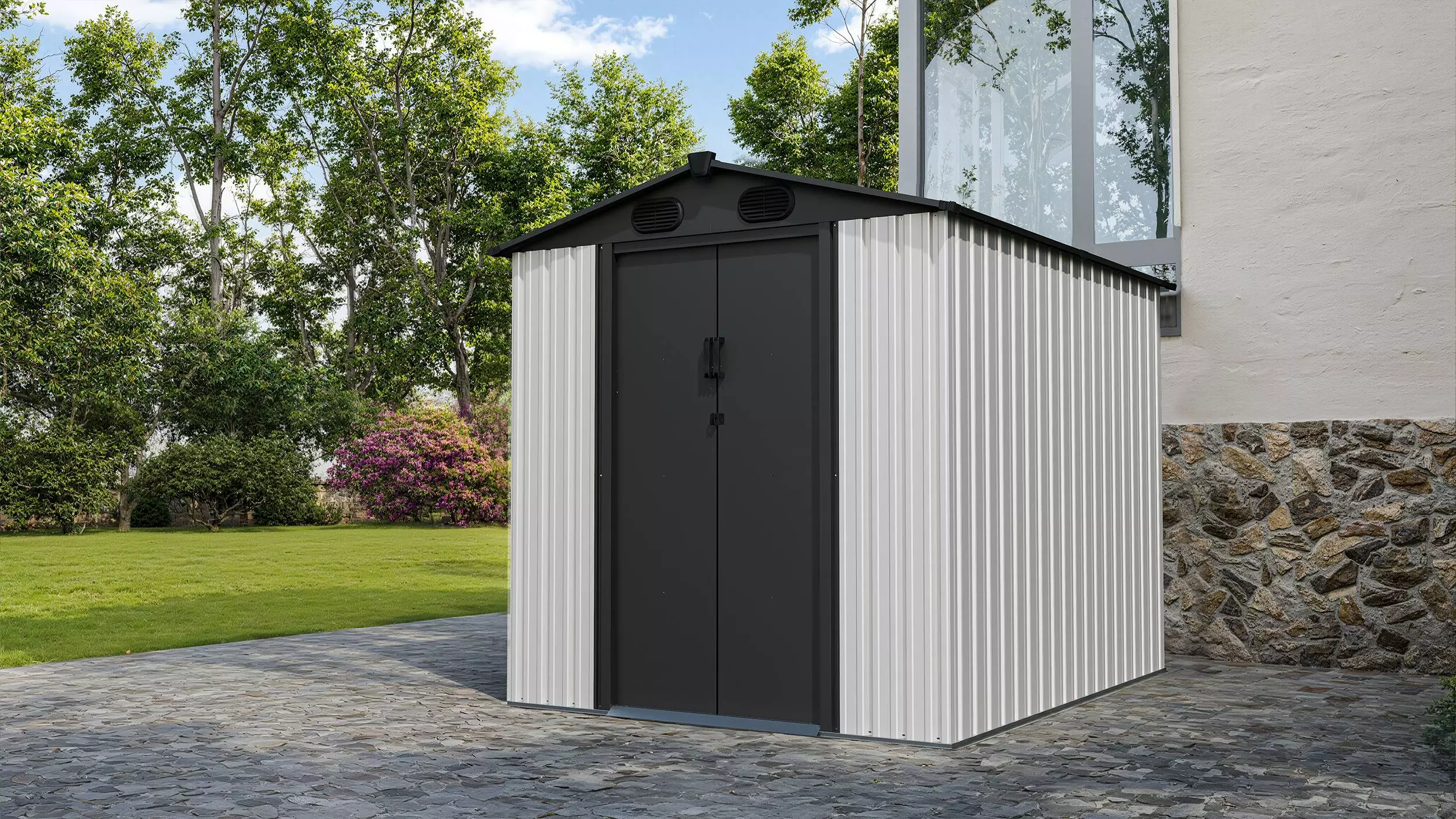
As a business owner or farmer, have you ever struggled with choosing the right storage solution? Between container shelters and traditional warehouses, how do you decide which is truly the best fit for your operations? This article provides a comprehensive comparison to help you break down the pros and cons, clarify your options, and make an informed decision. Whether it’s short-term temporary storage or long-term bulk inventory management, we’ll guide you through the key factors from multiple angles.

Overview of Container Shelters & Traditional Warehouses
A container shelter is an innovative temporary shielding structure that uses a standard shipping container as its sturdy base, combined with a steel frame and various waterproof fabrics (like PVC or PE materials). You can also call it a “shipping container shelter”—it’s a clever way to repurpose idle or discarded containers into practical spaces, promoting efficient resource reuse while keeping construction simple and eco-friendly.

In contrast, a traditional warehouse is typically a fixed, permanent building constructed primarily from reinforced concrete, supplemented by steel beams and roofing systems. Its robust structure offers exceptional durability, with a lifespan often exceeding 30 years—and sometimes reaching 50 or more—providing top-tier security and reliability. It’s like a fortress, ideal for businesses requiring stable, long-term storage environments.
Container Shelter vs. Traditional Warehouse: A Head-to-Head Comparison
To make the right choice, we need to dive deep into the differences in performance, cost, and applicability. Through this analysis, you’ll discover the container shelter’s unique appeal in flexibility and affordability, alongside the traditional warehouse’s unbeatable strengths in durability and capacity. Let’s start with usage scenarios and build from there.
Usage Scenario Comparison
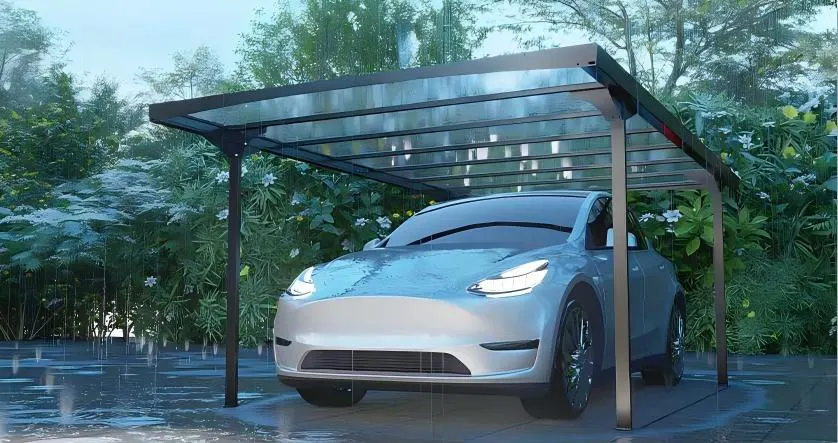
Container shelters have been around for over two decades, boasting mature designs and a proven track record of safety and reliability tested across global sites. Their applications span agriculture, industry, and commerce, with standout features like rapid assembly, low construction costs, and easy maintenance. As a semi-open structure, they excel at protecting heavy machinery, equipment, goods, vehicles, and even personnel from harsh weather—blocking intense sunlight, high winds, heavy snow, and moisture.

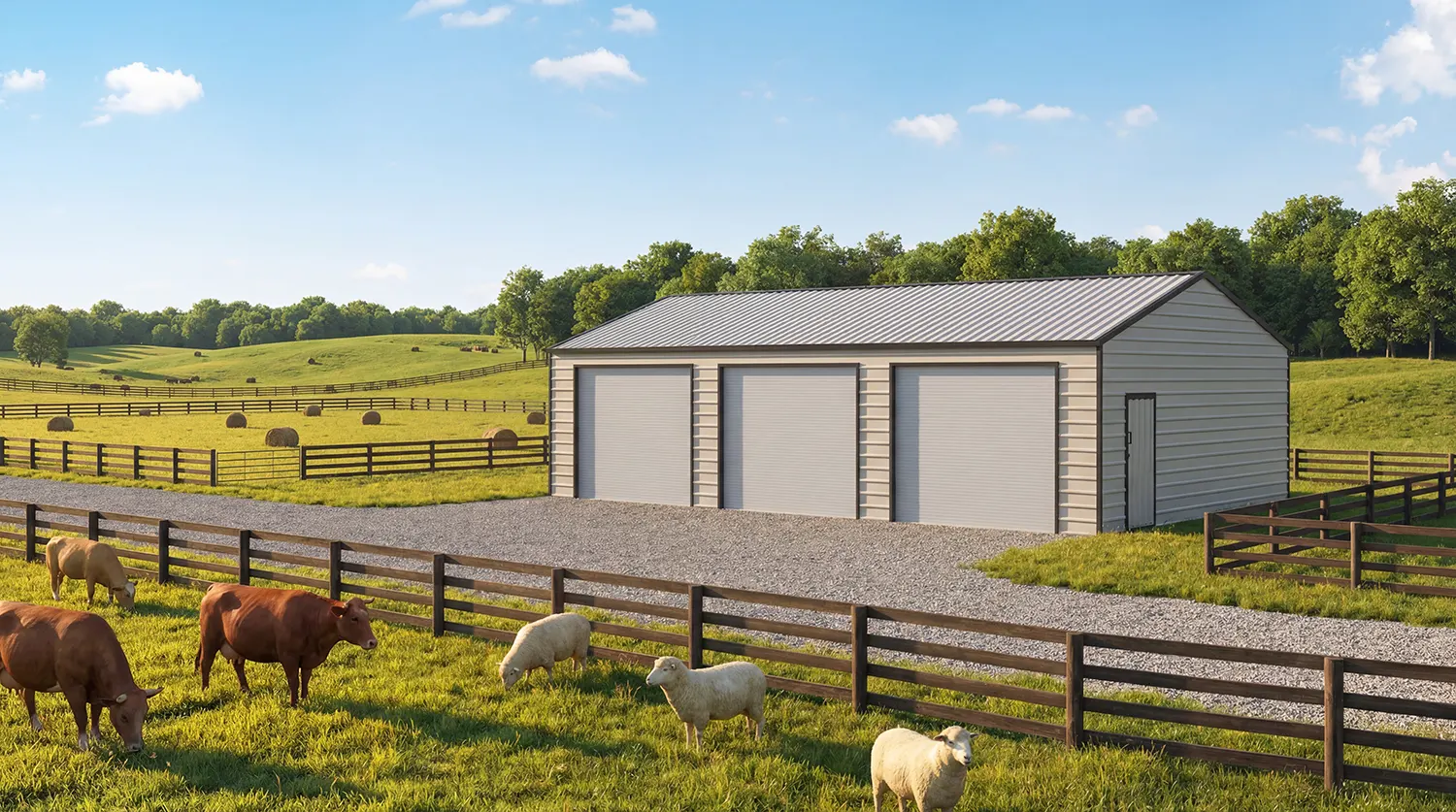
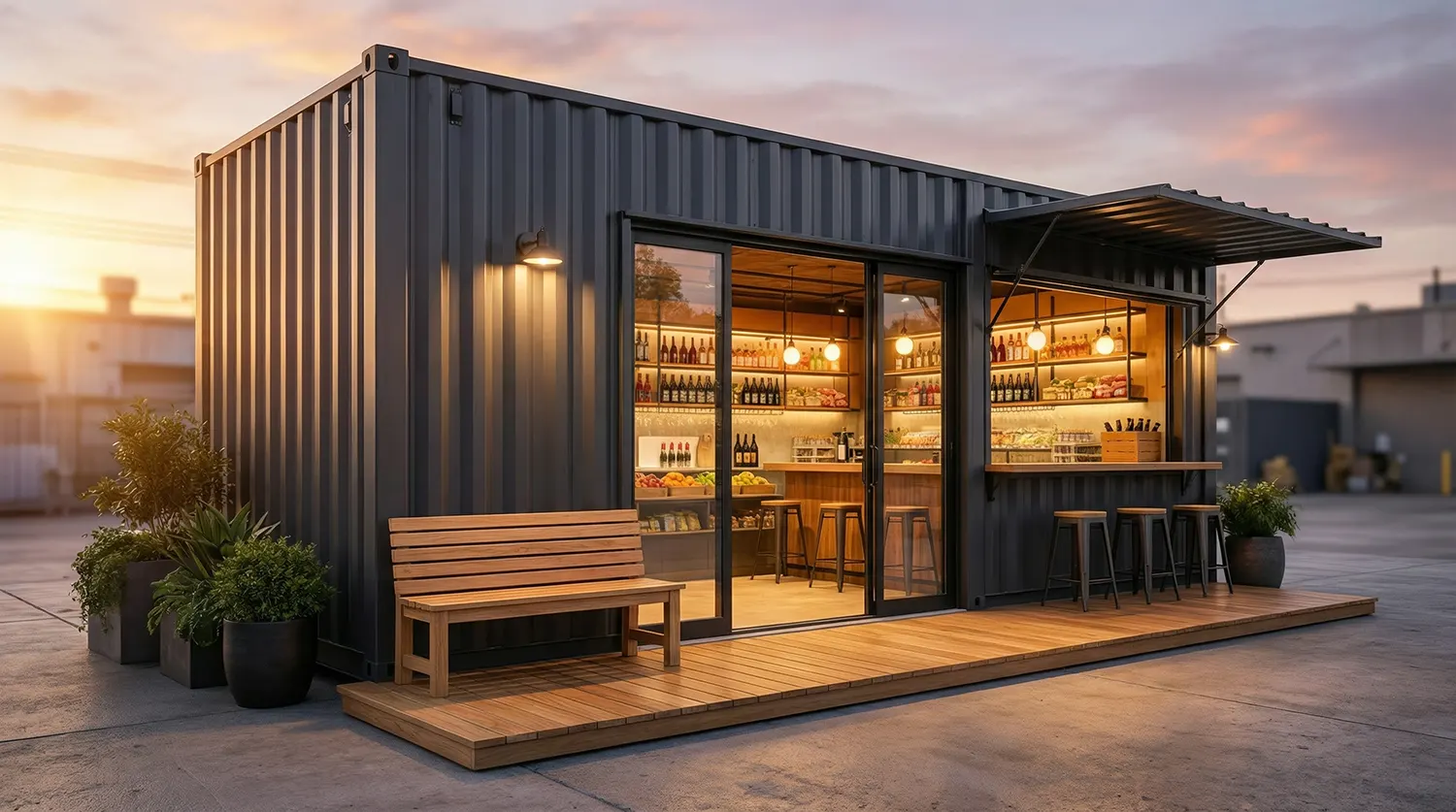
For instance, if you’re a farmer, a container shelter can double as a garage for large farm machinery, safeguarding tractors and harvesters from the elements; it can serve as a haystack or crop storage yard, or even expand into a simple barn to keep operations running smoothly during rainy seasons or harsh winters. For mining or construction managers, it’s perfect for parking heavy equipment like excavators and trucks, or as a staging area for ore and building materials to prevent exposure to the outdoors. And why stop there? You could even deploy one as a pop-up marketplace on an empty lot—up and running in days, without breaking the bank.

On the flip side, traditional warehouses are built for large-scale, long-term inventory storage, such as retail goods, raw materials, or finished products. With lifespans spanning decades, they’re a natural fit for stable, ongoing business needs. Specialized traditional warehouses can incorporate advanced features like cold-chain logistics (for temperature-controlled perishables), hazardous materials storage (with explosion-proof walls and leak detection), or high-value item vaults (integrated with security monitoring and climate control). Equipped with ventilation, fire suppression, and smart lighting, they ensure goods stay in prime condition no matter the circumstances—essential for big manufacturers or logistics firms.
Installation Flexibility Comparison
When it comes to installation flexibility, container shelters take the lead by a mile. All components are prefabricated modules that snap together with minimal effort—no welding or specialized tools required. A small team can have it up in hours or days. Best of all, there’s no need for elaborate groundwork; it secures directly to the container base with twist locks, adapting to uneven terrain. Dismantling is just as straightforward, allowing easy transport and reuse—ideal for businesses that shift locations often, like seasonal farming or construction sites on the move.

Traditional warehouses, however, involve a drawn-out, labor-intensive build that can drag on for months or even years. This includes pouring foundations, assembling steel frameworks, and outfitting interiors with systems. Once in place, it’s locked to the site—dismantling or relocating means massive reconstruction costs. While this rigidity guarantees stability, it hampers adaptability in today’s fast-paced world.
In short, installing a container shelter feels like a quick “plug-and-play” operation, while a traditional warehouse is more like an epic engineering marathon. Your pick depends on your project’s pace and mobility needs.
Structure and Performance Comparison
Structurally, container shelters use hot-dip galvanized steel frames (Q235-grade steel) paired with heavy-duty PVC/PE waterproof fabric covers (610gsm thick, fire-resistant and UV-protected), with the container itself acting as solid sidewalls. This modular arch or dome design is semi-open (with optional end walls), built on standard 20- or 40-foot ISO containers, reaching heights of 13-15 feet. Performance-wise, it’s a champ against the elements: wind resistance up to 70-300 km/h (via anchored twist locks), snow load capacity of 47 lbs/sq ft, relying on fabric tension for temporary loads. Backed by 10-20 year warranties, the fabric is simple to replace, the steel frame resists corrosion well, and it’s primed for extreme weather—though not built for eternity. Maintenance is low-cost and straightforward, with endless length extensions via modules and high disassembly rates, all without foundations.

Traditional warehouses revolve around reinforced concrete walls and floors, topped with steel beam roofs (H-beams or precast trusses), and optional insulated sandwich panels for better thermal control. This fixed rectangular frame is fully enclosed (walls + roof + floor), supporting multi-story builds up to 30+ feet high. It outperforms in wind resistance (designed for 150+ km/h loads) and load-bearing (hundreds of tons on concrete foundations), meeting seismic standards like IBC codes. With lifespans over 50 years, concrete ages gracefully, and steel needs only periodic coatings for weatherproofing. That said, upkeep isn’t cheap—think crack repairs, recoating, and system checks—and its fixed base makes modifications a headache.
Put simply, the container shelter’s structure is nimble and adaptive, like a vigilant scout; the traditional warehouse is a towering stronghold, prioritizing endurance and all-around defense. Weigh your environmental risks and load requirements accordingly.
Cost Comparison
Cost is often the make-or-break factor for decision-makers. Below is a detailed breakdown based on 2025 manufacturer quotes and construction reports (assuming standard sizes: container shelter 20’x40′ at ~800 sq ft; traditional warehouse 10,000 sq ft). These are global averages—actual figures may vary by location, scale, and customizations.

As the table shows, container shelters shine in upfront and ongoing costs, making them a boon for budget-conscious startups or seasonal operators. Traditional warehouses demand a hefty initial outlay but amortize well over high-volume, long-term use. We recommend running an ROI (return on investment) calculation based on your projected lifespan to crunch the numbers.
Conclusion
Drawing from this in-depth comparison, the verdict is clear: If your business prioritizes speed, flexibility, and cost efficiency—like small-to-medium enterprises, seasonal farms, or temporary projects—a container shelter is the clear winner. It can slash total ownership costs by 60-80% while delivering quick setup and scalability, turning storage into a business booster rather than a drag. On the other hand, if you need high-capacity loads, long-term dependability, and premium features (like cold storage or security integrations), a traditional warehouse is your go-to—it’s a steadfast ally for decades of secure operations.

The key is tailoring to your unique situation: Factor in budget constraints, project timelines, environmental hurdles, and scale projections. Starting with a small-scale container shelter pilot could let you test the waters risk-free. Make the smart pick, and your storage setup won’t just solve today’s challenges—it’ll fuel tomorrow’s growth. Reach out to experts like Chery Industrial for personalized advice—let storage be the foundation of your success.